
 By
By 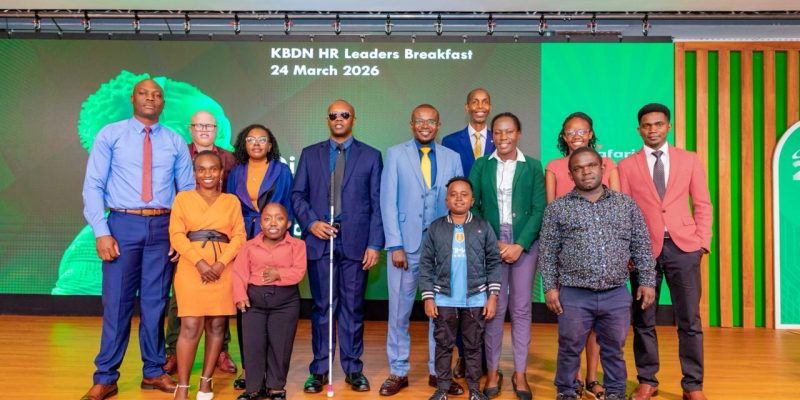

Disability Inclusion in the Workplace: A Business Imperative
As conversations around diversity evolve, disability inclusion is emerging as one of the most critical yet often overlooked pillars of modern workplaces. For forward-thinking organizations, it is no longer just a moral obligation; it is a strategic business imperative.
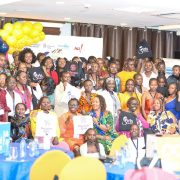
This was the central message at the KBDN HR Leaders Breakfast held on March 24, 2026, where industry leaders gathered to reflect on progress and reimagine inclusive workplaces across Kenya.
Inclusion Is Driving Better Business Outcomes
Global data continues to show a clear link between diversity and performance. Companies that prioritize diversity and inclusion consistently outperform their peers — not just socially, but financially.
Organizations with above-average diversity report up to 19% higher revenue, while gender-diverse executive teams are 21% more likely to be profitable.
Beyond profitability, diverse teams are also more effective: 87% are reported to make better decisions, and companies that embrace inclusion experience up to 50% lower employee turnover.
Equally important is talent attraction. Businesses that prioritize diversity are twice as likely to attract top talent, signaling a shift in workforce expectations where inclusion is now a key factor in employer choice.
As Sundar Pichai, CEO of Google, aptly puts it, diverse teams are more innovative, better at understanding customers, and ultimately make stronger decisions.
Understanding Diversity Beyond the Obvious
Diversity in the workplace goes far beyond visible differences. It encompasses multiple dimensions that shape how individuals think, work, and interact.
Demographic diversity includes factors such as gender, age, ethnicity, and persons with disabilities. However, organizations are increasingly recognizing the importance of experiential diversity including education, socio-economic background, and work experience.
Cognitive diversity also plays a critical role. Differences in personality, problem-solving approaches, and decision-making styles contribute to stronger, more resilient teams. Functional diversity, which cuts across roles, hierarchies, and cultural backgrounds, further enriches organizational capability.
Together, these layers of diversity create a more dynamic and adaptive workforce.
Disability Inclusion in the Workplace: A Business Imperative
The Journey Toward Disability Inclusion
While progress has been made, disability inclusion remains a journey rather than a destination.
Organizations are beginning to take more deliberate steps — from hiring their first employees with disabilities to formalizing diversity and inclusion frameworks. Participation in global platforms such as the Global Disability Summit and signing disability charters reflects a growing commitment to accountability and change.
Workforce representation is also gradually improving, with organizations reporting steady increases in the number of employees living with disabilities over the years. However, the numbers highlight that there is still significant room for growth.
From Diversity to Belonging
Experts emphasize that diversity alone is not enough. Inclusion requires intentional action, and true success lies in fostering a sense of belonging.
As DEI expert Verna Myers notes, diversity is a fact, inclusion is a choice, and belonging is the outcome. Organizations that succeed are those where leaders actively create environments where every employee feels seen, valued, and empowered to contribute.
The Way Forward
For Kenyan businesses, the message is clear: disability inclusion is not a side conversation it is central to building resilient, competitive, and future-ready organizations.
This means going beyond policies to practical action: accessible workplaces, inclusive hiring practices, adaptive technologies, and leadership commitment.
As the workplace continues to evolve, companies that embed inclusion into their culture will not only unlock innovation but also position themselves as employers of choice in an increasingly competitive talent landscape.














Comments