
 By
By 

Why Kenyan Traders Want a Bigger Voice in the Tobacco Bill Debate
Across Kenya, thousands of small businesses open their doors every morning long before most people begin their day.
From neighbourhood kiosks and retail shops to restaurants, bars, and wholesale outlets, these businesses form the backbone of local economies. They create jobs, support families, and keep communities running.
Now, many of those business owners are asking for something simple: a seat at the table.
A growing number of traders, retailers, distributors, and hospitality operators have voiced concerns over the public participation process surrounding the Tobacco Control (Amendment) Bill, 2024, arguing that the people likely to feel the impact of the proposed law deserve a greater opportunity to share their views.
More Than Just a Policy Conversation
For many Kenyans, legislation can feel distant until it directly affects their daily lives.
Business owners say this Bill falls into that category.
While many support efforts to improve public health and encourage responsible business practices, they also believe that meaningful dialogue is essential when policies have implications for jobs, incomes, and business operations.
The conversation, they say, is not about opposing regulation. It is about ensuring that people on the ground are heard before decisions are made.
Recent stakeholder discussions held in various counties highlighted a common concern among traders: many feel excluded from a process that could shape the future of their businesses.
For entrepreneurs already navigating rising operational costs, changing consumer behaviour, taxation pressures, and economic uncertainty, being part of the conversation matters.
The Challenge of Participation
One of the main concerns raised by traders is accessibility.
With public hearings scheduled in Nairobi, business owners from other parts of the country argue that attending in person may not be practical for many small and medium-sized enterprises.
Travel costs, time away from business, and logistical challenges can make participation difficult, especially for entrepreneurs operating on tight margins.
Many stakeholders are therefore calling for additional engagement channels, including county-based forums and virtual participation options that would allow more people to contribute their views.
Their argument is straightforward: public participation works best when it reaches the people most affected.
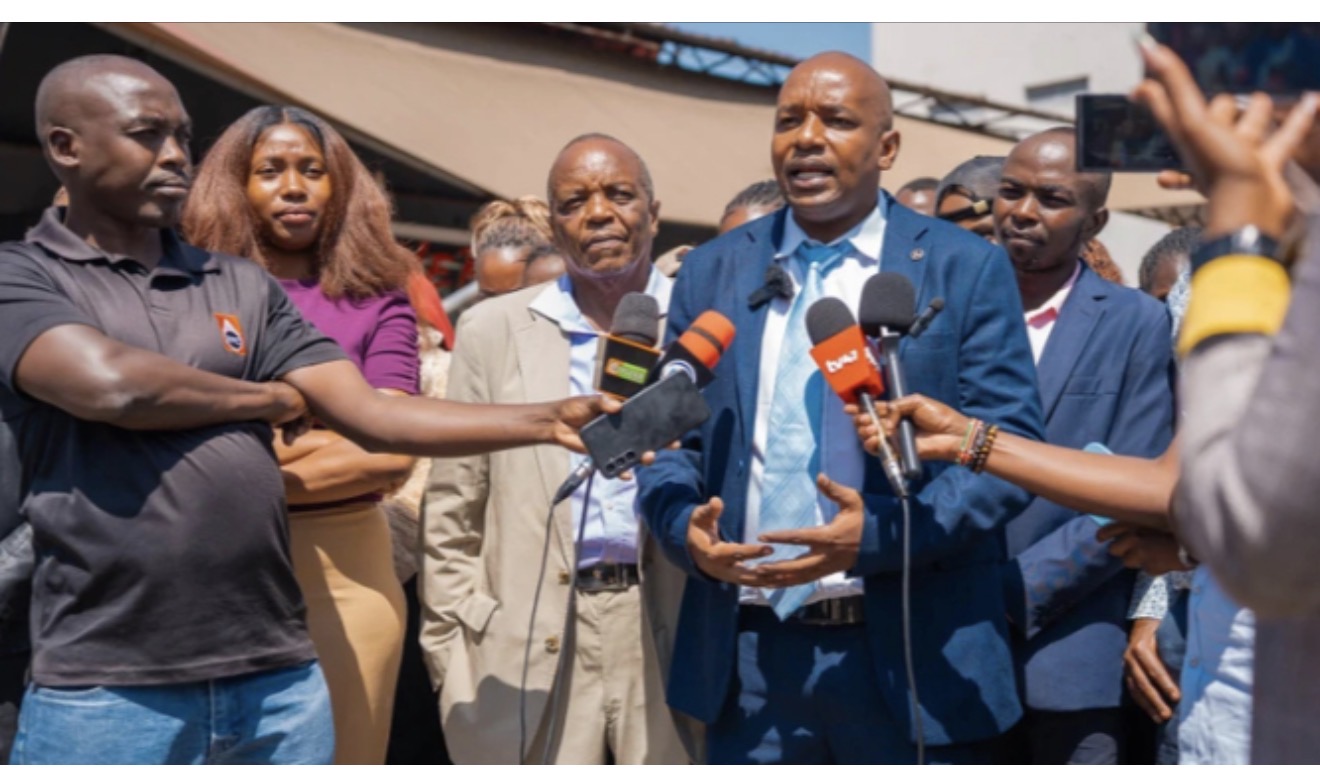
Why Kenyan Traders Want a Bigger Voice in the Tobacco Bill Debate
Balancing Health and Livelihoods
Kenya’s ongoing efforts to strengthen tobacco control are part of a broader public health agenda aimed at protecting citizens and reducing the health burden associated with tobacco use.
At the same time, business owners believe discussions should also consider the economic realities facing sectors connected to the industry.
For traders, the debate highlights a broader question that extends beyond one Bill: how can policymakers balance public health priorities with economic sustainability?
Finding that balance requires open dialogue, trust, and the willingness to listen to different perspectives.
A Shared Desire for Inclusion
At its heart, the conversation is about participation.
Business owners are not simply asking to be informed about decisions. They want the opportunity to contribute to them.
As Kenya continues strengthening democratic institutions and encouraging citizen engagement, many believe the most effective policies emerge when government, businesses, communities, and stakeholders work together.
Whether the issue is healthcare, education, taxation, or trade, people are more likely to support policies when they feel their voices have been heard.
For the traders raising concerns today, that is ultimately the message they hope policymakers will take away: meaningful participation is not just a constitutional requirement. It is the foundation of inclusive governance.
And for the thousands of entrepreneurs building businesses across Kenya every day, having a voice in decisions that affect their future remains just as important as the decisions themselves.
You can get more details here





















Comments