
 By
By 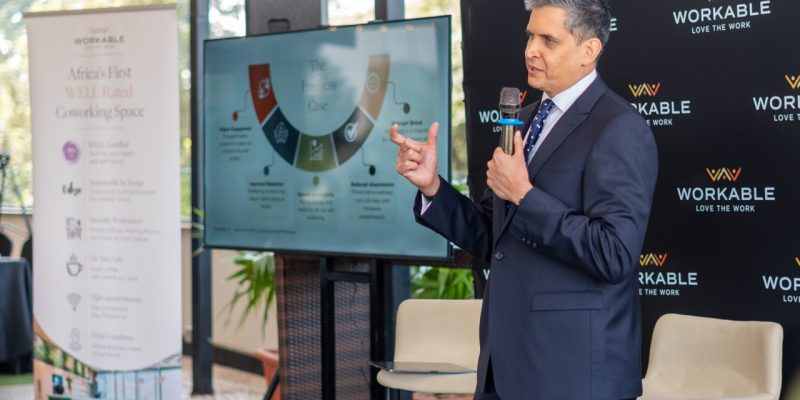

87% of Kenyan Workers Report Workplace Stress
Nairobi, Kenya – Nearly nine in ten Kenyan employees are experiencing workplace stress, according to new research by Niche Human Capital Advisory, highlighting a growing challenge for businesses seeking to improve productivity, retain talent and strengthen organizational performance.
The findings reveal that 87% of Kenyan workers report experiencing stress, signaling a workplace wellbeing crisis that is reshaping how organizations approach employee engagement and business growth.
87% of Kenyan Workers Report Workplace Stress
Workplace Stress Takes an Economic Toll
The report comes as employers across the region grapple with rising burnout, changing workforce expectations and increased competition for skilled talent.
Across Sub-Saharan Africa, 80.4% of employees report moderate to extreme workplace stress, while 67.8% experience emotional exhaustion and burnout. Additionally, 82.5% believe employers should do more to support their mental wellbeing.
The consequences extend beyond employee health. Globally, workplace stress, poor mental health and disengagement cost businesses an estimated US$10 trillion in lost productivity each year.
Rebecca Gichuki, Partner at Niche Human Capital Advisory, said employee wellbeing has become a critical business issue.
“The workplace has become one of the most important determinants of organizational success. Our findings show that employee wellbeing is no longer simply an HR issue. It is a leadership and business issue. Organizations that invest in healthier workplaces, stronger leadership and supportive cultures are better placed to improve productivity, retain talent and build resilient businesses.”
Workable Sets a New Standard
As organisations rethink the future of work, Kenyan flexible workspace provider Workable has become Africa’s first coworking space to earn the WELL Coworking Rating.
The globally recognised certification is awarded by the International WELL Building Institute (IWBI) in collaboration with The Instant Group. It recognises workspaces that meet rigorous standards designed to improve health, wellbeing and workplace performance.
The milestone positions Kenya among the early adopters of healthier workplace standards that place employee wellbeing at the centre of business strategy.
Healthier Workplaces Drive Better Performance
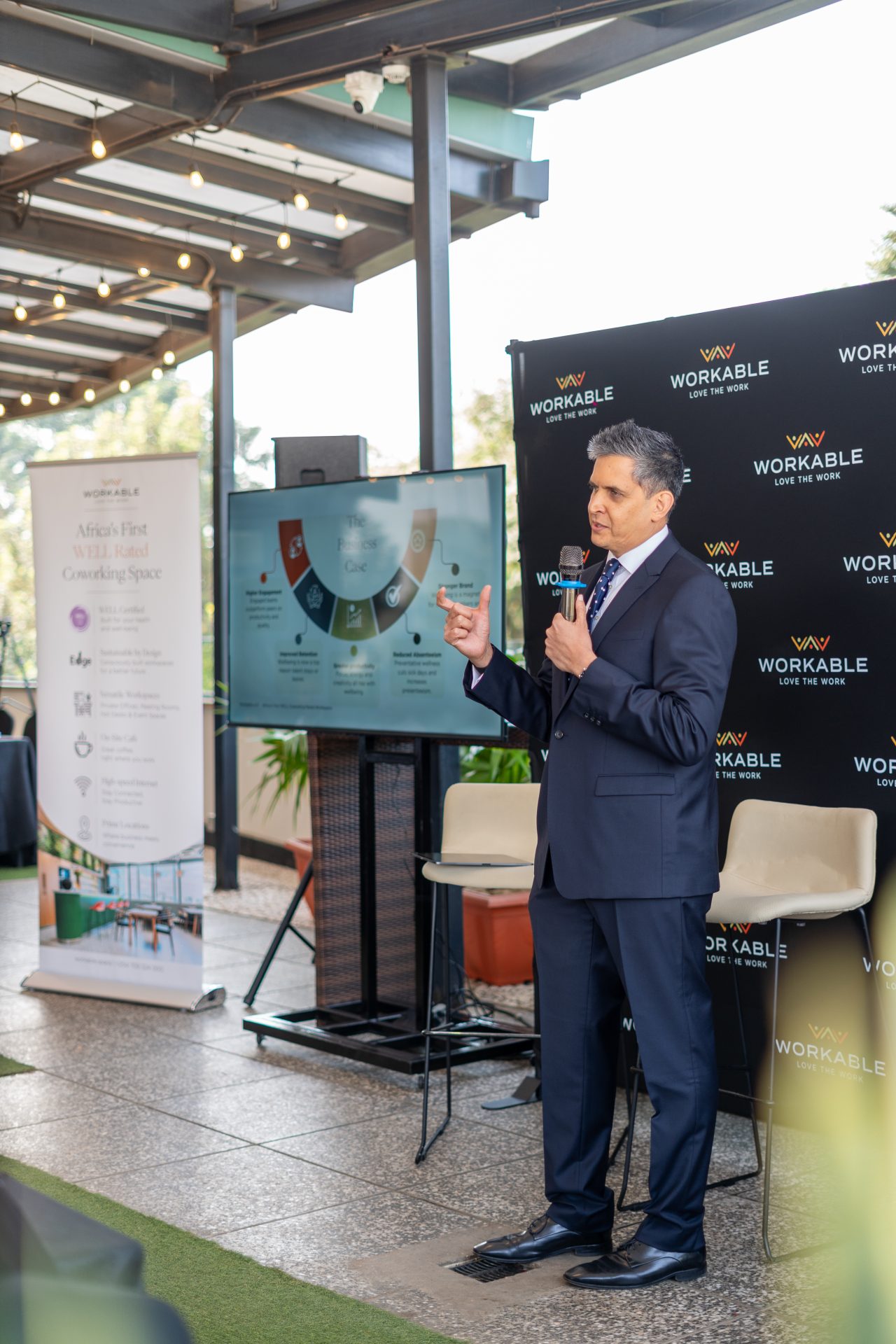
According to Workable Founder and Chief Executive Officer Samir Patel, organisations must begin measuring the business cost of unhealthy workplaces alongside traditional operating costs.
“This certification is bigger than Workable. Businesses have always measured the cost of office space. Today, they also have to measure the cost of unhealthy workplaces. When stress, burnout and disengagement affect performance, investing in healthier workplaces becomes an investment in innovation, productivity and long-term business growth.”
The WELL Coworking Rating evaluates workspaces across several evidence-based indicators. These include indoor air quality, lighting, thermal comfort, water quality, movement, nourishment, mental wellbeing, materials and community.
Together, these elements create healthier environments that support happier and more productive teams.
Raising the Bar for African Workspaces
Workable’s achievement builds on its EDGE certification and reflects its focus on combining hospitality, sustainability and wellness within modern workspaces.
Ann Marie Aguilar, Senior Vice President for EMEA at the International WELL Building Institute, welcomed the milestone.
“Congratulations to Workable on becoming Africa’s first WELL Coworking Rated workspace. This achievement demonstrates that Africa is embracing globally recognised standards for healthier workplaces and reinforces the important role workplace design can play in improving the health, wellbeing and performance of people and organisations.”
The Future of Work Is People-Centred
As businesses continue redefining the workplace, the conversation is shifting beyond location to the quality of the work environment.
Increasingly, organizations recognize that healthier workplaces are more than an employee benefit. They are becoming a strategic advantage that helps attract talent, improve productivity and build resilient businesses for the future.

















Comments