
 By
By 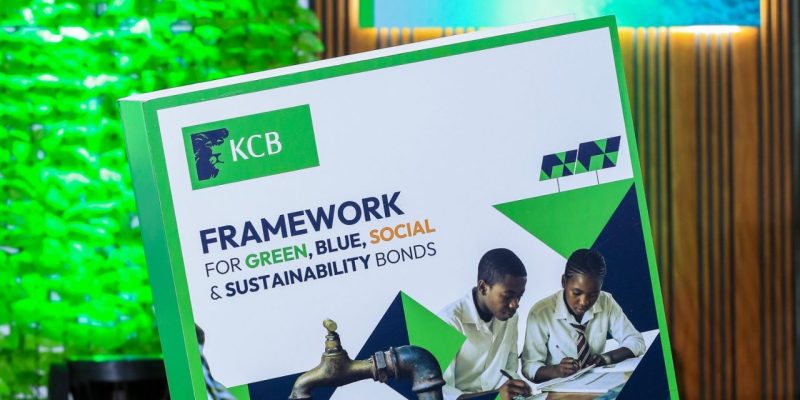

KCB Unveils KSh 300 Billion Sustainability Bond Framework to Finance Green, Blue and Social Projects
Framework aims to channel long-term capital into climate resilience, affordable housing, MSMEs, clean energy and other projects across East Africa.
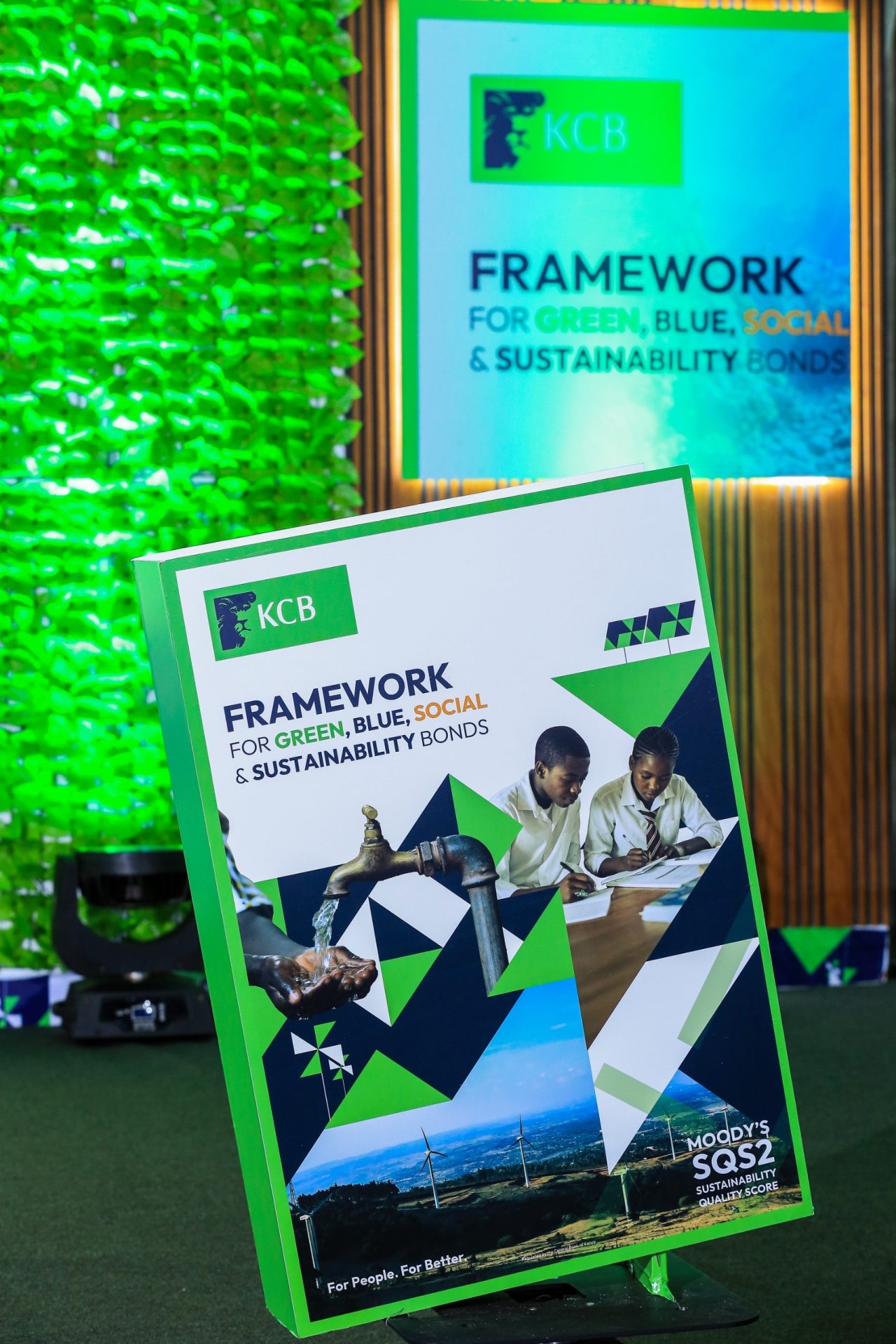
KCB Group has launched a Sustainability Bond Framework that could unlock up to KSh 300 billion through a proposed five-year Medium-Term Note Programme, subject to regulatory approvals and market conditions.
The framework is designed to direct capital towards projects that deliver measurable environmental and social benefits while supporting economic growth across East Africa.
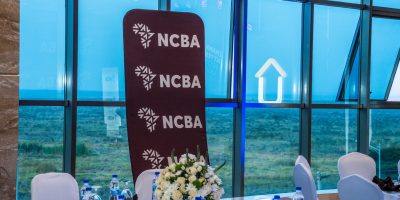
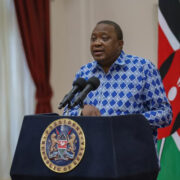
Speaking during the launch of the framework at the KCB Leadership Centre in Karen, KCB Group CEO Paul Russo said sustainable finance must go beyond raising capital.
He said the focus should also be on where the money goes, what it enables and the long-term impact it creates.
“At KCB, we believe that banking is ultimately about enabling progress,” Russo said. “That is why for 130 years now we have connected people to opportunity, businesses to capital and communities to possibilities.”
KSh 300 billion framework targets three key areas
Under the framework, KCB Bank Kenya intends to establish a Medium-Term Note Programme of up to KSh 300 billion over five years.
The proceeds will be ring-fenced for eligible Green, Blue and Social projects.
KCB will track how the funds are allocated. The bank will also report on the impact generated by the financed projects.
This structure is designed to strengthen accountability while giving investors an opportunity to participate in projects that support sustainable development.
Green financing to support climate resilience
The Green category will target projects that support a low-carbon and climate-resilient economy.
Eligible areas will include renewable energy, including solar projects, as well as energy-efficient buildings.
The financing will also support clean and low-emission transportation.
Sustainable agriculture, water and wastewater management will form part of the eligible green investments.
The approach comes as East Africa faces growing pressure from climate change, food insecurity and infrastructure gaps.
Russo said these challenges make it increasingly important for financial institutions to consider sustainability when allocating capital.
Blue finance to support marine and coastal ecosystems
The framework also introduces a Blue category.
It will support projects focused on marine and coastal ecosystems. The goal is to strengthen the resilience of coastal and freshwater communities.
This component broadens the sustainability agenda beyond traditional climate and environmental financing.
It also recognises the role of marine and freshwater ecosystems in supporting livelihoods and economic activity.
Social financing to expand economic opportunity
The Social category will focus on underserved and vulnerable populations.
Eligible areas will include affordable housing, MSME financing and enterprises led by women and young people.
The category will also support initiatives focused on employment and livelihood creation.
KCB already has experience in this area through the KCB Foundation’s 2Jiajiri initiative.
The programme has focused on supporting young people with skills and opportunities to establish and grow enterprises.
Russo said the experience demonstrates how access to capital can contribute to job creation, enterprise growth and stronger household incomes.
Building on nearly two decades of sustainability
Additionally, the new framework builds on a sustainability journey that began in 2008.
The bank formally anchored sustainability in its business around financial, economic, social and environmental pillars.
A year later, KCB published its first Sustainability Report as part of its efforts to improve transparency around its economic, social and environmental impact.
By 2017, the bank had aligned its sustainability agenda with nine United Nations Sustainable Development Goals. That alignment has since expanded to 14 of the 17 SDGs.
KCB also adopted the UNEP Finance Initiative’s Principles for Responsible Banking in 2019.
In 2020, KCB Bank Kenya became the first bank in Kenya to receive accreditation from the Green Climate Fund.
The bank later committed to achieving Net Zero by 2050 through its membership of the Net-Zero Banking Alliance in 2021.
In 2023, KCB joined the Forward Faster Initiative, further strengthening its focus on accelerating progress towards the 2030 Sustainable Development Goals.
Moody’s gives framework ‘Very Good’ score
KCB subjected the Sustainability Bond Framework to an independent review by Moody’s.
The framework received a Sustainability Quality Score of 2, rated “Very Good.”
According to KCB, the assessment provides external validation of the framework and its alignment with global market standards.
It also reinforces the bank’s focus on transparency and accountability in sustainable finance.
Linking capital to impact
For KCB, the framework represents an effort to connect capital markets with projects that address real economic and social needs.
The bank expects the approach to help mobilise capital for sectors such as renewable energy, agriculture, housing, healthcare, infrastructure and enterprise development.
Russo said the ultimate measure of sustainable finance should not simply be the amount of money raised.
“The true measure of sustainable finance is not the size of the bond, but the scale of the impact it creates,” he said.
He added that KCB wants the framework’s legacy to be measured through lives improved, businesses strengthened, ecosystems protected, jobs created and opportunities unlocked.
The Sustainability Bond Framework therefore positions sustainable finance as more than a capital markets instrument. KCB sees it as a tool for supporting a greener, more resilient and more inclusive East African economy.















Comments