
 By
By 

Why NCBA Is Leasing Its Fleets Instead of Buying
NCBA and Rubis Energy Kenya Deepen a Two-Decade Partnership
Kenyan businesses are increasingly rethinking how they invest in assets. Instead of tying up millions of shillings in vehicle purchases, many companies are turning to leasing models that allow them to preserve capital while maintaining operational efficiency.
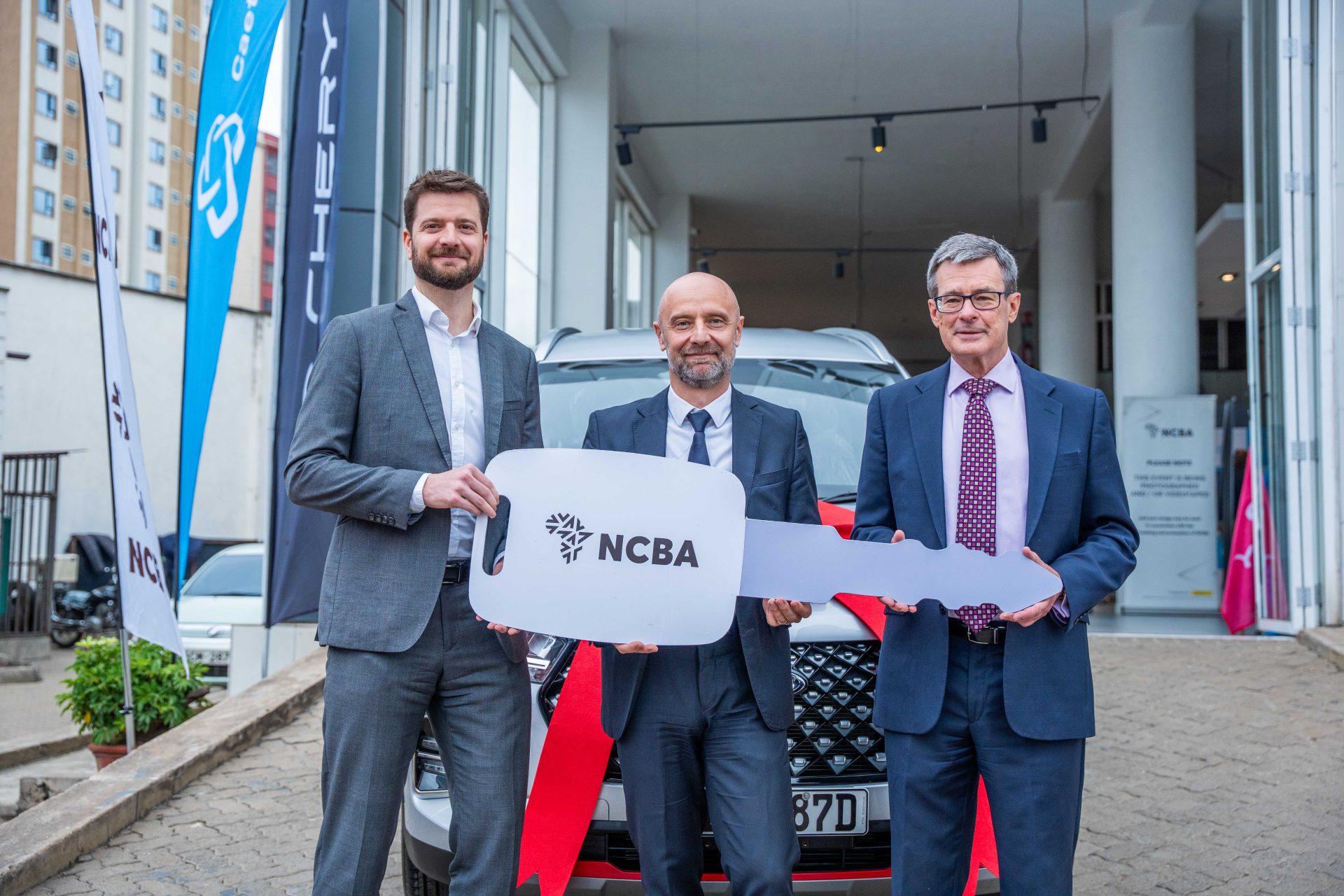
This shift was on display recently when NCBA handed over 24 new Chery Tiggo vehicles to Rubis Energy Kenya as part of a broader fleet management arrangement that has grown over more than two decades.
The latest handover forms part of a larger asset financing solution through which NCBA leases and manages a fleet of 72 passenger and commercial vehicles for Rubis Energy Kenya. The arrangement allows the energy company to focus on its core business while ensuring reliable mobility for its teams across the country.
The partnership reflects a growing trend among Kenyan corporates that are embracing capital-light business models. As operating costs rise and competition intensifies, businesses are increasingly looking for ways to optimise resources without compromising service delivery.
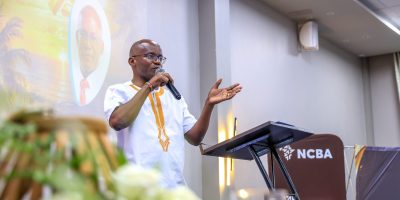
According to NCBA Bank Kenya Managing Director James Gossop, the relationship with Rubis demonstrates how financial institutions are evolving beyond traditional banking roles.
“Our relationship with Rubis Energy Kenya is built on more than two decades of trust, shared growth and a commitment to creating long-term value. Over the years, we have evolved from a banking provider into a strategic partner, supporting the business through tailored financial solutions that enable operational efficiency and sustainable growth,” he said.
He noted that modern businesses require solutions that align with their specific operational realities rather than standardised financial products.
“We do not approach our clients with predefined products. We structure solutions around each customer’s operating model, industry dynamics and growth ambitions. This is what allows us to deliver long-term value beyond financing,” Gossop added.
The Rise of Capital-Efficient Business Models
Across Kenya, businesses are placing greater emphasis on preserving cash while maintaining growth momentum. Economic expansion remains steady, driven by sectors such as energy, infrastructure and logistics. However, rising financing costs and changing market conditions have encouraged organisations to seek more efficient ways of deploying capital.
Leasing has emerged as one of the solutions helping businesses achieve this balance.
Rather than purchasing vehicles outright, companies can access modern fleets while spreading costs over time. This approach frees up capital that can be invested in expansion, technology, talent development and customer experience.
For many organisations, the benefits extend beyond financing. Leasing arrangements often include maintenance support, fleet management services and vehicle replacement programmes, helping businesses improve productivity while reducing operational risks.
NCBA has positioned itself as a key player in this space. The bank held a 35 percent market share in asset finance as of April 2026, reinforcing its leadership in providing financing solutions that support business growth.\
Why NCBA Is Leasing Its Fleets Instead of Buying
Supporting Operations Across Kenya
For Rubis Energy Kenya, the fleet renewal is about more than transportation. It is about ensuring employees have the tools they need to serve customers efficiently across a nationwide network.
Rubis Energy Kenya Managing Director Frederic Maupetit said mobility remains critical to the company’s operations.
“At Rubis Energy Kenya, our mission is to serve our customers well. Behind that commitment is a network of more than 300 service stations and thousands of commercial and industrial customers spread across the country. These vehicles are for the people who carry the Rubis name onto the roads of Kenya every day. Better tools mean better service, and better service is what our customers deserve,” he said.
The company relies on teams that travel extensively to support customers, manage operations and maintain service standards across its network.
As a result, fleet reliability directly affects operational performance, customer satisfaction and overall business efficiency.
Building Long-Term Partnerships
The vehicle handover also highlights the importance of collaboration between financial institutions, vehicle suppliers and corporate clients.
Salvador Caetano Kenya, the distributor behind the Chery vehicles, views the arrangement as a model for how partnerships can create sustainable business value.
Managing Director Aurélien Glay noted that successful fleet programmes require a deep understanding of customer needs and long-term business objectives.
“When we started working together on this first fleet, it was never just about supplying vehicles. It was about understanding the operational needs of our customer, finding the right financial structure, aligning expectations and ultimately building a solution that creates value for everyone involved,” he said.
Looking Beyond Financing
Today, corporate clients increasingly seek integrated solutions rather than standalone products. In response, NCBA has expanded its offering beyond asset finance to include leasing, trade finance, cash management, investment banking and insurance services.
This one-stop-shop approach enables businesses to access multiple financial solutions under a single relationship, helping them improve efficiency while supporting growth ambitions.
The energy sector remains a key area of focus for the bank. Recent industry data shows continued growth in fuel and electricity consumption, reflecting increasing commercial and industrial activity across the country.
As businesses continue to navigate a changing economic landscape, partnerships such as the one between NCBA and Rubis Energy Kenya demonstrate how innovative financing models can support expansion while preserving valuable capital.
In an era where flexibility is becoming just as important as ownership, leasing is no longer simply a financing option. For many businesses, it is becoming a strategic tool for growth.














Comments