
 By
By 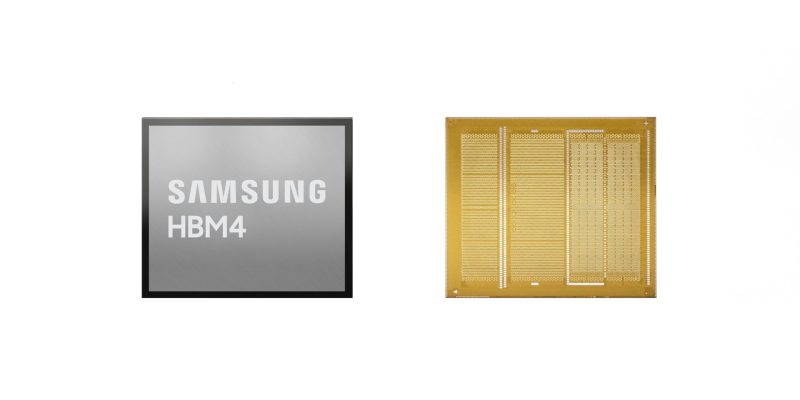

Samsung Unveils HBM4E and Expands AI Push at NVIDIA GTC 2026
Samsung Electronics has unveiled new AI computing innovations, including the next-generation HBM4E memory, at NVIDIA GTC 2026 in San Jose.
The announcement strengthens Samsung’s collaboration with NVIDIA and reinforces its position in the fast-growing AI infrastructure space.
Driving the Next Wave of AI Infrastructure
Samsung placed its sixth-generation High Bandwidth Memory (HBM4) at the center of its showcase. The company has already moved the technology into mass production. It designed the chip for NVIDIA’s Vera Rubin platform.
HBM4 delivers speeds of up to 11.7 gigabits per second. This exceeds the current industry benchmark of 8Gbps. Engineers can push the speed further to 13Gbps.
Samsung also introduced HBM4E. This next-generation chip delivers 16Gbps per pin and up to 4.0 terabytes per second in bandwidth. The company expects it to power future AI workloads.
Improving Efficiency and Performance
Samsung continues to focus on efficiency and reliability. These factors remain critical for modern data centers.
The company showcased its hybrid copper bonding (HCB) technology. This method allows more than 16 memory layers. It also reduces heat resistance by over 20 percent.
This improvement helps data centers run faster and more efficiently.

Samsung Unveils HBM4E and Expands AI Push at NVIDIA GTC 2026
Strengthening the Samsung–NVIDIA Partnership
Samsung highlighted its partnership with NVIDIA through a dedicated showcase. The company displayed several solutions built for NVIDIA’s AI ecosystem.
These include HBM4, SOCAMM2 memory modules, and high-performance SSDs such as PM1763 and PM1753.
SOCAMM2 uses low-power DRAM. It delivers high bandwidth and supports flexible system integration. Samsung has already started mass production.
The PM1763 SSD uses the latest PCIe 6.0 interface. It enables faster data transfer and higher storage capacity. These features support next-generation AI systems.
Scaling AI Factories
Samsung also shared its plans for AI-driven manufacturing. The company will use NVIDIA accelerated computing to scale its AI Factory operations.
It will also integrate digital twin technology using NVIDIA Omniverse. This approach allows real-time simulation and optimization of production processes.
Yong Ho Song, Executive Vice President at Samsung, will speak at the event. He will explain how AI is transforming semiconductor manufacturing from design to production.
Expanding AI to Everyday Devices
Samsung is also bringing AI closer to users. The company showcased memory solutions for smartphones and other devices.
LPDDR5X delivers speeds of up to 25Gbps per pin. It also reduces power consumption by up to 15 percent. This improves performance without draining battery life.
LPDDR6 pushes speeds further to between 30 and 35Gbps. It also introduces advanced power management features. These improvements support next-generation edge AI applications.
A Stronger Position in the AI Race
Samsung’s showcase at NVIDIA GTC 2026 highlights a clear strategy. The company is building a full AI ecosystem across data centers and devices.
With innovations like HBM4E and deeper ties with NVIDIA, Samsung is positioning itself as a key player in the global AI race.


















Comments