
 By
By 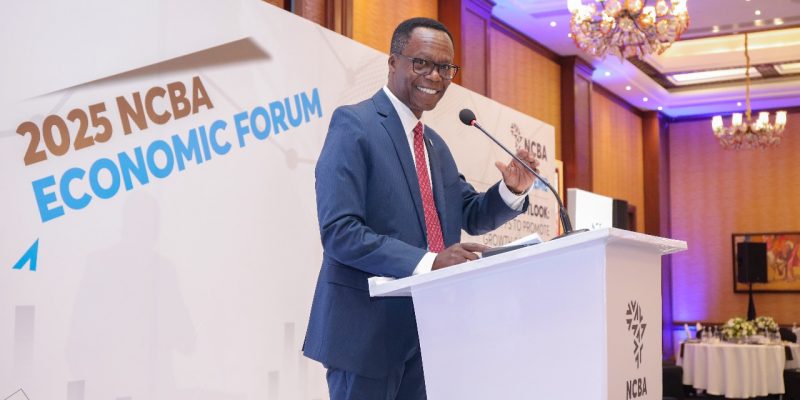

NCBA Forecasts 5% Growth for Kenya in 2025
Kenya’s Economy Set for Steady Growth
NCBA https://ke.ncbagroup.com/ Group projects Kenya’s economy will expand by five percent in 2025. The growth will come from stronger private sector credit, stable inflation, and higher government spending.
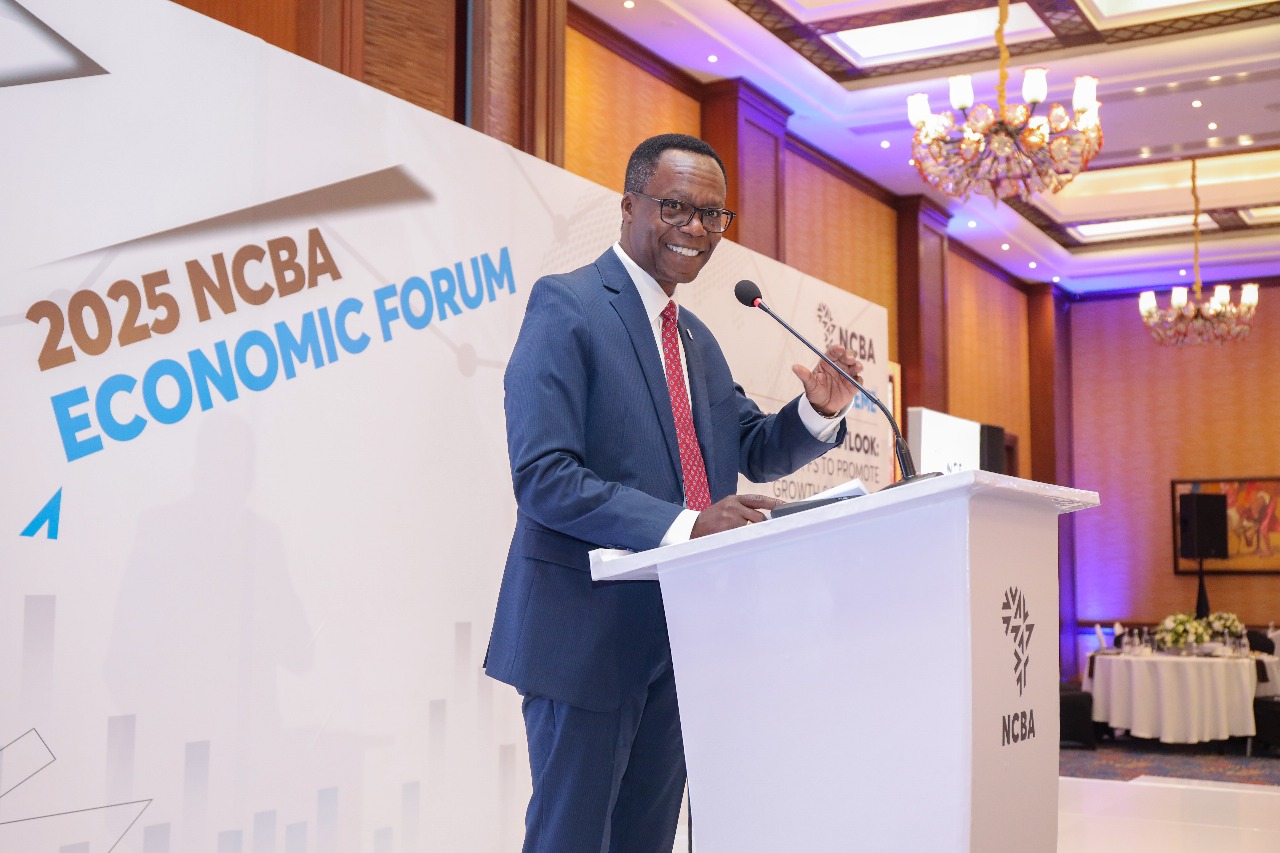
The projection was shared during the NCBA Economic Forum at the Nairobi Serena Hotel.
The event brought together policymakers, economists, and business leaders to discuss how Kenya can strengthen its economic resilience in a shifting global landscape.
NCBA Group Managing Director John Gachora said the outlook remains positive despite global uncertainty. “Kenya must pursue pragmatic policy coordination and efficiency in public spending to ensure sustainable growth,” he said.
“Through our thought leadership platforms, we will continue to share innovative research and insights to drive economic growth and resilience.”
Mr Gachora noted that the global economy is growing at about 3.2 percent in 2025, slightly down from 3.3 percent in 2024. He said Kenya has shown strong performance despite tighter financial conditions and trade disruptions.
However, he warned that slower growth in major economies like the United States and key Asian markets could affect exports and remittances in 2026.
Kenya’s growth, driven by public spending, agriculture, and a strong services sector, faces pressure from heavy debt repayment. In the first quarter of the 2025–2026 fiscal year, the government spent KES 509 billion on debt service out of KES 554 billion in total tax revenue.
Mr Gachora urged the government to focus on spending efficiency to create more room for development.
NCBA Forecasts 5% Growth for Kenya in 2025
Policy Coordination and Private Sector Strength Key to Resilience
Forum participants noted that inflation has eased in 2025 but remains vulnerable to food price swings.
They emphasized the need to maintain liquidity in the foreign exchange market, deepen regional trade, and strengthen Kenya’s debt management framework to support inclusive growth under the Bottom-Up Economic Transformation Agenda.
Mr Gachora said the services sector, including telecommunications, transport, and domestic trade, continues to drive the economy. He added that manufacturing shows mixed performance, though the food sub-sector remains resilient.
He highlighted export opportunities, noting that global coffee prices could hit multi-year highs of about USD 7 per kilo. Horticultural exports are also expected to remain stable after the European Union extended its deforestation regulations for small and medium enterprises.
Looking ahead, NCBA forecasts Kenya’s economy will grow by 5.1 percent in 2026, supported by fiscal reforms, export diversification, and improved investor confidence.
Mr Gachora called for a high-frequency consumer activity index to track household spending, which accounts for over 70 percent of GDP.
He reaffirmed NCBA’s commitment to advancing research, innovation, and dialogue that support sustainable growth. He said platforms such as the NCBA https://ke.ncbagroup.com/ Economic Forum remain vital in shaping Kenya’s economic future.















Comments