
 By
By 

Learning Without Walls: How Kenyan Families Are Rethinking School Through Koa Academy
For decades, schooling in Kenya followed a familiar rhythm. Students wore uniforms, endured traffic-filled mornings, and spent long days in crowded classrooms. Today, however, a growing number of families are rethinking what “real school” looks like.
Online learning, once viewed as a temporary solution during Covid-19, has gained new credibility. Parents now see it as a long-term option that offers quality, flexibility, and global relevance. At the centre of this shift stands Koa Academy Kenya, a fully online school redefining learning in the digital age.
Why Online Schooling Is Gaining Ground
Globally, analysts project the online education market to surpass USD 200 billion by 2026. Rising smartphone use, better internet access, and demand for flexible learning continue to drive this growth.
Kenya sits well within this transition. Young people use smartphones widely, internet access keeps expanding, and digital platforms already shape daily life. Education, for many families, has become the next logical step online.
Yet doubts persist. Research by Koa Academy shows that while nearly 80 per cent of Kenyan parents know about online schooling, only 9 per cent have enrolled their children. Many parents still associate online learning with the disjointed experiences of the pandemic years.
Koa Academy set out to change that narrative.
Small Classes, Strong Human Connection
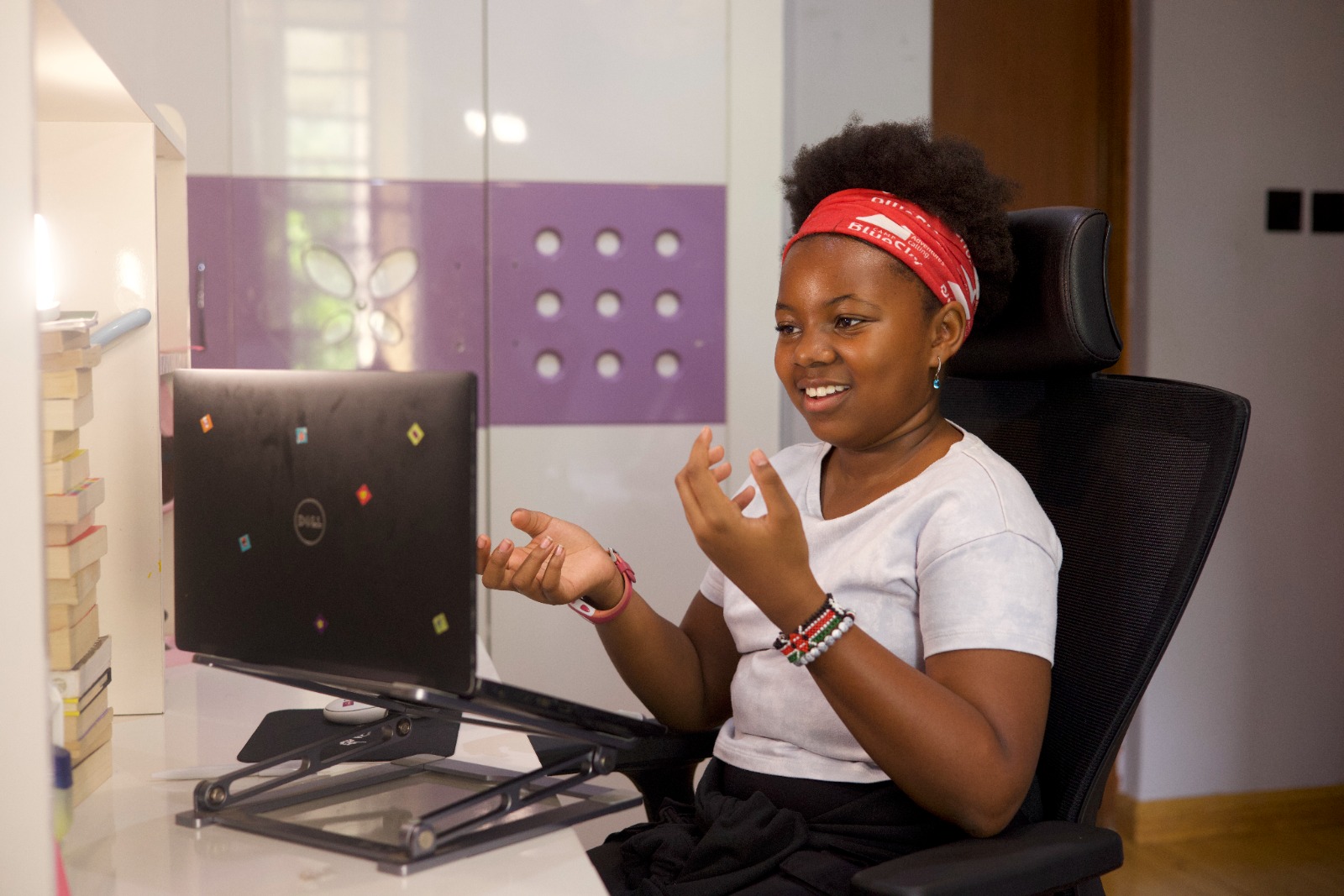
Rather than large virtual classrooms, Koa places students in small groups of eight learners, known as Pods. Each Pod has a dedicated teacher who leads live lessons, moderates discussions, and offers consistent academic support.
“Parents worry that online learning feels isolating,” says Mark Anderson, Koa Academy’s Co-founder and Principal. “We designed our model around connection. Students learn with the same teacher and classmates every day, which helps real relationships form.”
Teachers blend live, interactive lessons with structured independent work. They track progress closely and share feedback through digital dashboards that parents can also access. As a result, students stay engaged and supported throughout the school day.
Learning Without Walls: How Kenyan Families Are Rethinking School Through Koa Academy
Learning Without Turning Parents Into Teachers
Many online models place heavy demands on parents. For working households, constant supervision often feels unrealistic.
Koa takes a different approach. Teachers lead all instruction and academic guidance. Students follow a clear timetable, attend live classes, and complete coursework independently. Parents stay informed but do not manage daily lessons.
“Our onboarding sets clear expectations,” Anderson explains. “Parents partner with us, but they don’t replace teachers. We take full responsibility for academics.”
Focused on Outcomes, Not Just Flexibility
Koa Academy offers the International Secondary Certificate (ISC), developed by the Independent Examinations Board. The qualification aligns with UK A Levels and opens pathways to universities in Africa and abroad.
Students progress through mastery-based learning. They complete sequenced micro-units and move forward only after demonstrating understanding. In South Africa, where Koa already operates, the model has delivered a 98 per cent Grade 12 pass rate.
Beyond academics, Koa prioritises social development. Students join online clubs, attend Nairobi meetups, and take part in educational outings. These activities help build friendships and a sense of belonging.
A New Kind of School Choice
For families seeking alternatives to overcrowded classrooms, long commutes, or rigid systems, Koa Academy offers a credible option. The model combines global standards, small class sizes, and strong teacher presence with the flexibility modern families value.
As online schooling evolves, one reality stands out. Learning no longer needs four walls to feel real.
For many Kenyan families, school has already gone digital and it is working.


















Comments