
 By
By 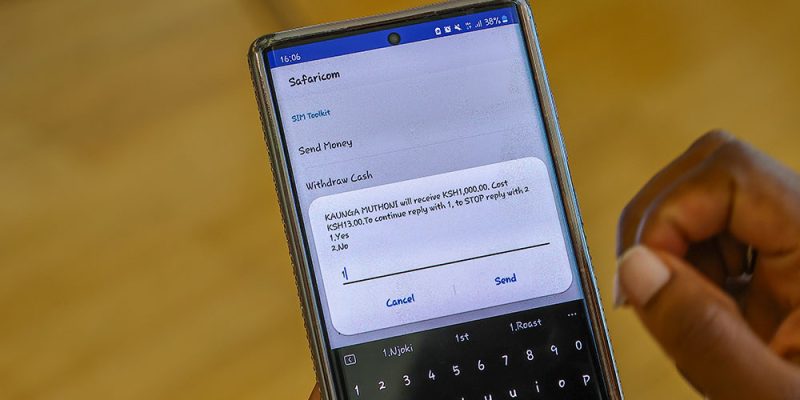

How M-PESA Fixed Wrong Transfers
M-PESA’s revolutionary entry into the Kenyan market in March 2007 changed how people send money. At the time, many struggled to grasp the idea of transferring funds via text.
Just a month after launch, the platform had under 20,000 users, but by November, that number had surged past one million.
However, the platform’s rapid growth exposed a major weakness: it was far too easy to accidentally send money to the wrong recipient.
Although M-PESA displayed the recipient’s name, recovering funds from unintended transactions was difficult and often frustrating. At its peak, Safaricom received up to 12,000 daily calls requesting transaction reversals.
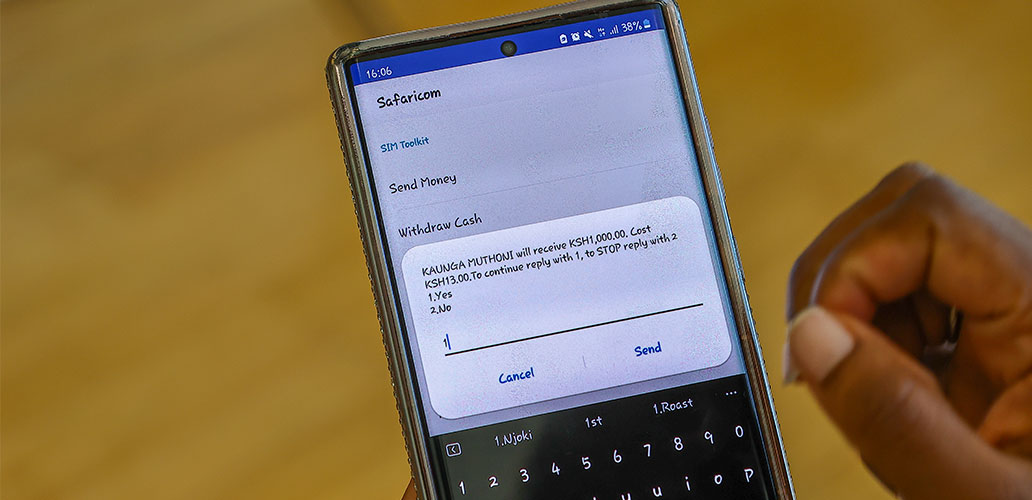
To tackle this, the company introduced Hakikisha, a Swahili word meaning “confirm.”
This feature allows users to verify the recipient’s name before finalizing a money transfer. It also applies to Lipa Na M-PESA payments and agent withdrawals.
The feature was developed through collaboration between product teams, tech engineers, customer service agents, and feedback from users.
However, early versions of Hakikisha were not user-friendly. Initially, customers had to press ‘1’ within 15 seconds to cancel a transaction, a confusing step that led to failed cancellations.
Safaricom later redesigned the interface to require a simple ‘Yes’ or ‘No’ input, which significantly improved usability.
To prevent abuse, users can only cancel up to five transactions a day; after that, the feature is suspended for 48 hours.
How M-PESA Fixed Wrong Transfers
Fraud Awareness Efforts Take Center Stage
Hakikisha has reduced daily reversal requests from 12,000 to about 4,000. Safaricom now plans to integrate artificial intelligence to detect unusual transaction patterns and help users avoid errors before they happen.
As M-PESA marks 18 years, Hakikisha stands out as a vital innovation that strengthens customer trust and enhances digital financial safety.
In line with its commitment to user protection, Safaricom has also been running M-PESA Sokoni, a nationwide market engagement campaign that educates users on safe mobile money practices.
Through interactive forums across the country, customers have received practical fraud prevention tips, including how to spot phishing scams, impersonation tactics, and fake promotions.
Now nearing its conclusion, the campaign has reinforced the importance of personal vigilance while supporting tools like Hakikisha in protecting everyday transactions.
https://africabusinessnews.co.ke/safaricom-declares-kes-48-08-billion-dividend-for-fy25/















Comments