
 By
By 
Fuel Prices Drop as EPRA Cuts Petrol, Diesel Costs After VAT Reduction
Motorists across Kenya will get some relief at the pump after the Energy and Petroleum Regulatory Authority (EPRA) announced a reduction in fuel prices for the period between April 16 and May 14, 2026.
The latest review follows a government directive to lower Value Added Tax (VAT) on petroleum products from 13% to 8%, a move aimed at easing the cost burden on consumers and businesses.
New pump prices in Nairobi
In Nairobi, the price of Super Petrol will drop by Ksh 9.37 to retail at Ksh 197.60 per litre. Diesel will decrease by Ksh 10.21 to Ksh 196.63 per litre, while Kerosene will remain unchanged at Ksh 152.78.
The revised prices take effect from April 16 and will remain in force until May 14, 2026.
The reduction comes as a welcome shift after recent price hikes pushed fuel costs to record highs, increasing pressure on transport, production, and household expenses.
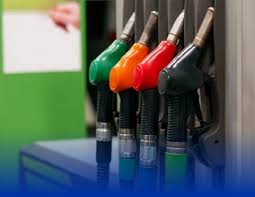
Fuel Prices Drop as EPRA Cuts Petrol, Diesel Costs After VAT Reduction
VAT cut drives price relief
The price adjustment follows a directive from the government to reduce VAT on petroleum products. The tax cut from 13% to 8% has directly lowered the final pump prices.
The move forms part of broader efforts to cushion Kenyans from high living costs and stabilise the energy market.
Fuel prices in Kenya remain sensitive to global oil markets and exchange rate fluctuations. As a result, tax adjustments often play a key role in determining local prices.
Regional comparison and market pressure
Despite the reduction, Kenya’s fuel prices remain relatively high compared to some African countries. Nations such as Libya, Angola, and Algeria continue to record lower fuel prices due to government subsidies.
The latest EPRA review highlights the balancing act between global market realities and domestic policy interventions.
Relief for consumers and businesses
The reduction is expected to ease pressure on key sectors, including transport and manufacturing, which heavily rely on fuel.
Lower fuel costs could also help stabilize prices of goods and services, offering some relief to consumers after months of rising expenses.
While the drop may not fully offset earlier increases, it signals a shift towards short-term relief as the government responds to economic pressures.
The coming months will remain critical as global oil trends and currency movements continue to shape fuel pricing in Kenya.

















Comments