
 By
By 

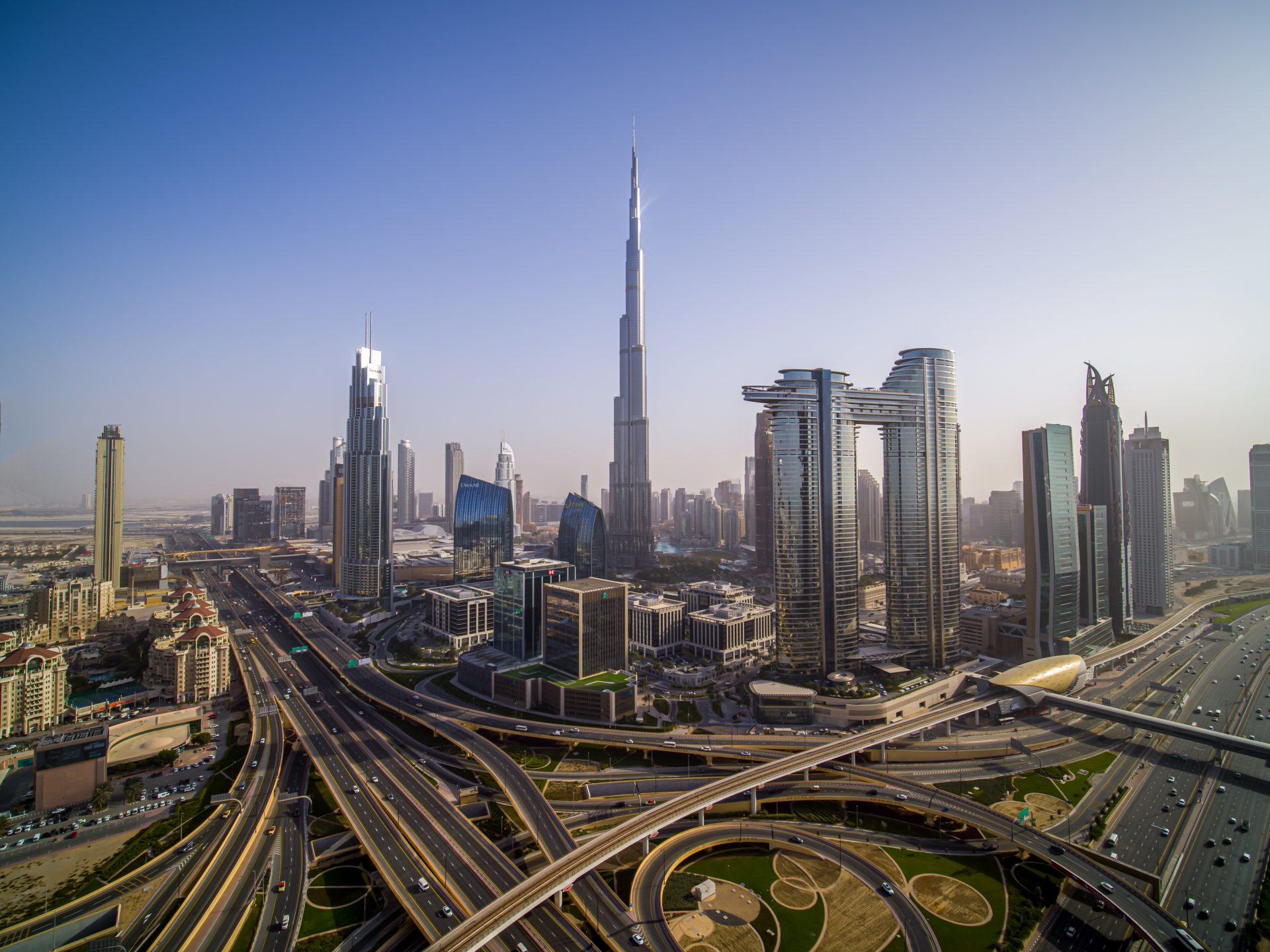
Dubai Doubles Down on Stability as Regional Tensions Test Economic Nerve
As geopolitical tensions rise across the Middle East, driven by conflict involving the United States, Israel and Iran, Dubai is stepping up economic support measures.
The emirate is reinforcing financial stability to sustain confidence, stabilise markets and keep business moving.
Despite the uncertainty, Dubai continues to project a clear message. Its resilience is not reactive. It is built through policy coordination, diversified growth and fast institutional response.
At the centre of this effort is a coordinated intervention. Government institutions, regulators and the private sector are working together. Emirates NBD has introduced a Business Support Package targeting SMEs.
The package includes waived loan deferment fees, lower trade finance costs and reduced transaction charges. These measures aim to ease liquidity pressure and support businesses.
In addition, the Dubai Government has approved a $272 million stimulus package. At the same time, the Central Bank of the United Arab Emirates has rolled out a Financial Institution Resilience Package.
Together, these actions show a coordinated policy approach. They aim to protect financial stability and prevent business disruption.
Dubai Doubles Down on Stability as Regional Tensions Test Economic Nerve
Built for shock absorption
Dubai’s resilience stems from its diversified economy. Unlike resource-dependent markets, it relies on multiple sectors. These include trade, tourism, logistics, aviation, finance and technology.
This model reduces exposure to single-sector shocks. It also strengthens links between sectors. As a result, the economy remains stable even during external pressure.
Strong infrastructure supports this resilience. Ports, airports and financial systems continue to operate smoothly. This ensures continuity despite rising geopolitical risks.
In tourism, Dubai continues to welcome visitors. Hotels, beaches and attractions remain open across the city.
Issam Kazim said the city’s tourism offering remains accessible.
“Dubai continues to welcome visitors from around the world,” he said. “Key experiences, hotels and attractions are operating across the city.”
This flexibility helps sustain demand and protect investor confidence.
Similarly, Mohamed Jassim Al Rais said the system is built to keep moving. This ensures continuity across sectors, even during uncertainty.
Tourism and hospitality remain sensitive to shocks. However, businesses are adapting. They are using flexible pricing, booking and service models to stay competitive.
Logistics and governance anchor stability
Dubai’s logistics sector remains a key stabiliser. Its location between East and West allows continued movement of goods.
Even during volatility, supply chains remain active. This is especially important for essential and perishable goods.
Redha Al Mansouri said strong infrastructure supports steady growth. It also reinforces confidence in Dubai’s logistics ecosystem.
Beyond trade, governance plays a central role. Dubai responds quickly to changing conditions. It aligns policy decisions with market needs.
This approach reduces uncertainty. It also strengthens investor confidence during periods of external shocks.
At the same time, Dubai continues to push its long-term Dubai Economic Agenda D33.
The strategy focuses on expanding trade, attracting investment and deepening diversification.
It reflects a shift in approach. Instead of reacting to crises, Dubai is building resilience into its systems.
Ultimately, the emirate relies on three key pillars. These are targeted financial support, a diversified economy and strong governance. Together, they continue to anchor stability as regional tensions persist.
















Comments