
 By
By 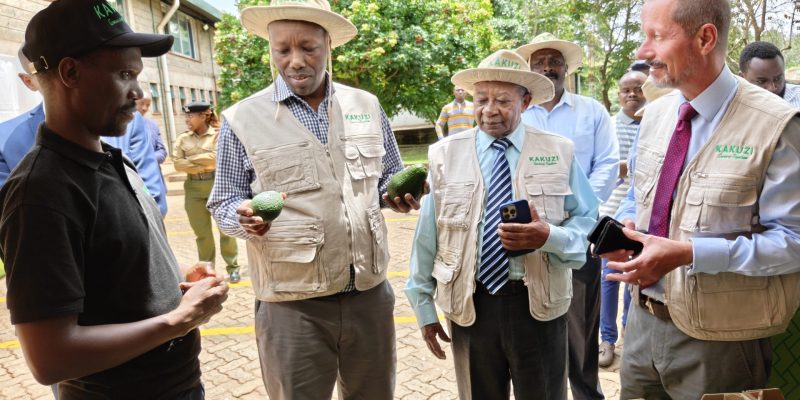

CS Kinyanjui Backs Value Addition Push as Kakuzi Expands Agro-Processing
The government is stepping up efforts to promote value addition and boost the consumption of locally manufactured agricultural products, as part of a broader push to industrialise Kenya’s economy.
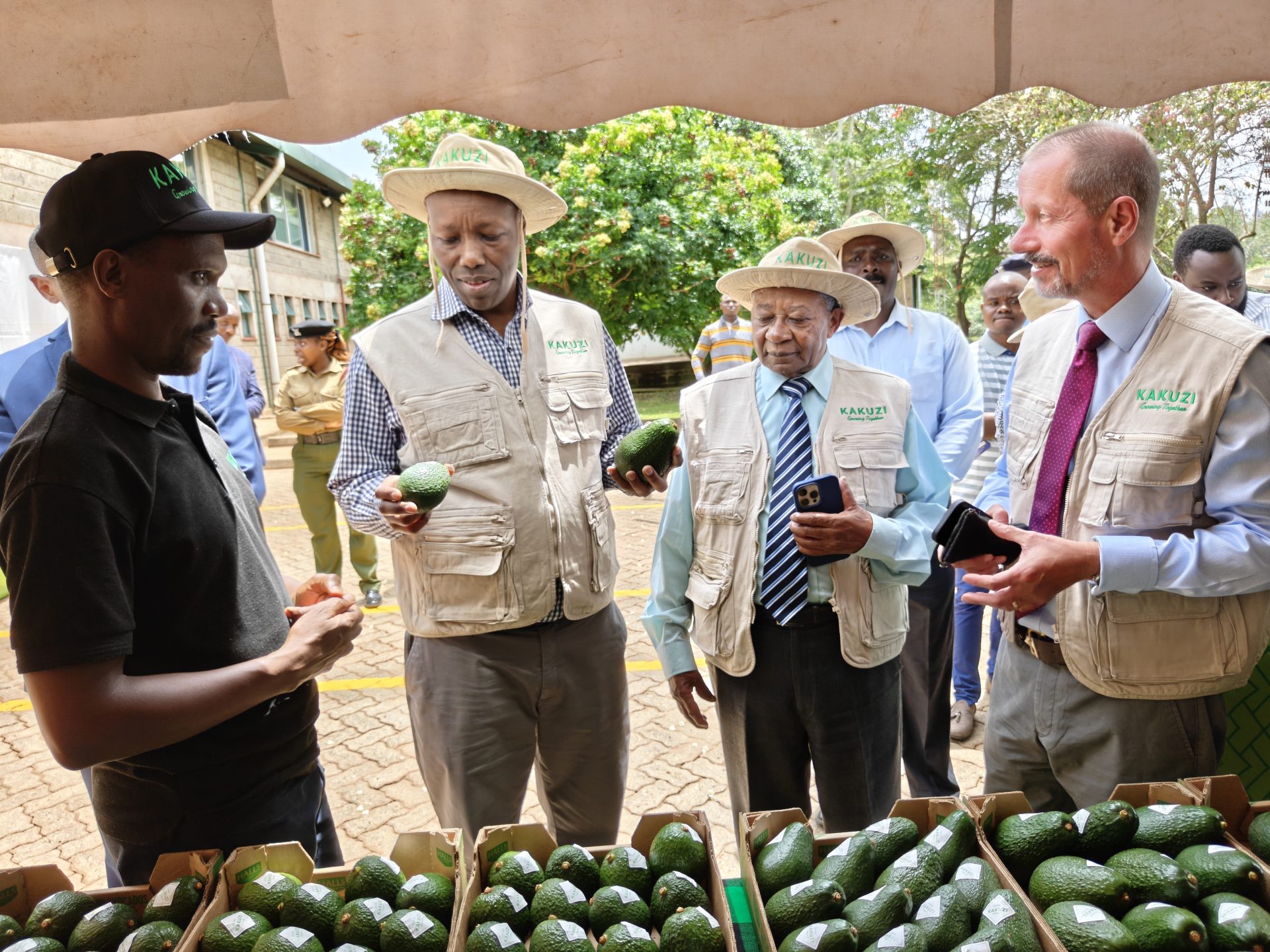
Speaking during a visit to Kakuzi Plc in Murang’a County, Investments, Trade and Industry Cabinet Secretary Lee Kinyanjui said the focus is now shifting toward processing what Kenya already produces—rather than exporting raw commodities.
The strategy targets high-value crops and so-called “superfoods” such as macadamia, avocado, and livestock products. According to Kinyanjui, these sectors hold untapped potential to drive exports while reducing the country’s reliance on imports.
He pointed to edible oils as a clear example. Kenya currently spends over KSh 500 billion annually importing agricultural products, including oils that could be produced locally. Expanding local processing, he noted, would not only cut the import bill but also support the government’s Buy Kenya, Build Kenya agenda.
During the tour, Kinyanjui also commended Kakuzi’s growing role in value addition. The company is already producing about 1,000 litres of cold-pressed macadamia oil daily, signalling a shift from raw exports to finished products.
“Demand for food will always be there,” he said. “As companies like Kakuzi expand, they are not only growing exports but also creating jobs.”
CS Kinyanjui Backs Value Addition Push as Kakuzi Expands Agro-Processing
From Raw Produce to Global Markets
Kakuzi is positioning itself at the centre of this shift.
The listed agribusiness firm is Kenya’s largest avocado producer and the country’s biggest single macadamia orchard operator. It is now doubling down on value addition and diversification to grow its footprint in global markets.
Managing Director Chris Flowers said the company is investing in new products and expanding into new markets to boost earnings and shareholder value.
Kakuzi is targeting export revenues of over $100 million in the medium term. At the same time, it plans to invest more than $15 million this year to scale up its blueberry operations, expanding its orchards from 10 to 100 hectares.
Beyond fresh produce, the company is building a portfolio of value-added products. These include ready-to-eat macadamia, cold-pressed oil, tea, and blueberries nall aimed at both local and international consumers.
Its macadamia processing plant, with a capacity of 2,000 tonnes, is among the largest in Kenya. The facility supports the company’s shift toward higher-value exports and aligns with the government’s industrialisation agenda.
Flowers believes Kenya is well placed to become a global hub for superfoods.
“Kenya has a strategic location and the right conditions to supply markets in Europe, the Middle East, Asia, and the US,” he said. “Our focus is on delivering high-quality, export-grade products while supporting local industry.”
The government, on its part, says it will continue to back exporters. Kinyanjui noted that ongoing trade agreements are opening up new markets, but production must keep pace with demand.
He added that initiatives such as Special Economic Zones (SEZs), Export Processing Zones (EPZs), and County Aggregation and Industrial Parks will play a key role in transforming agriculture into a value-driven sector.
As global demand for healthy foods rises, both government and industry players appear aligned on one goal: moving Kenya up the value chain from a raw exporter to a competitive producer of finished, high-value goods.















Comments