
 By
By 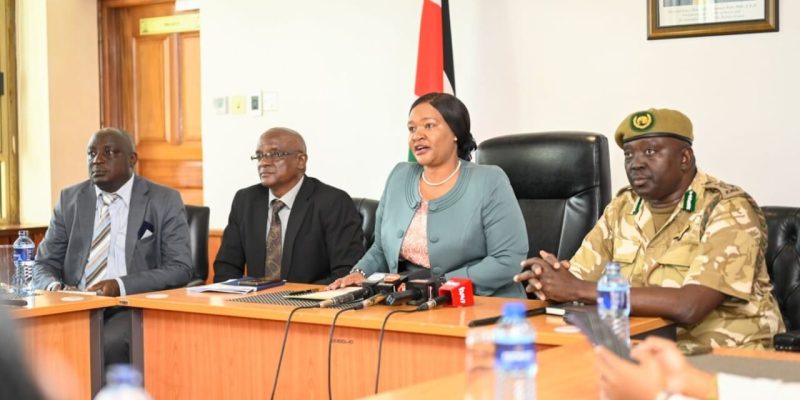

Kenya Rolls Out Digital Compensation System to Tackle Rising Human-Wildlife Conflict
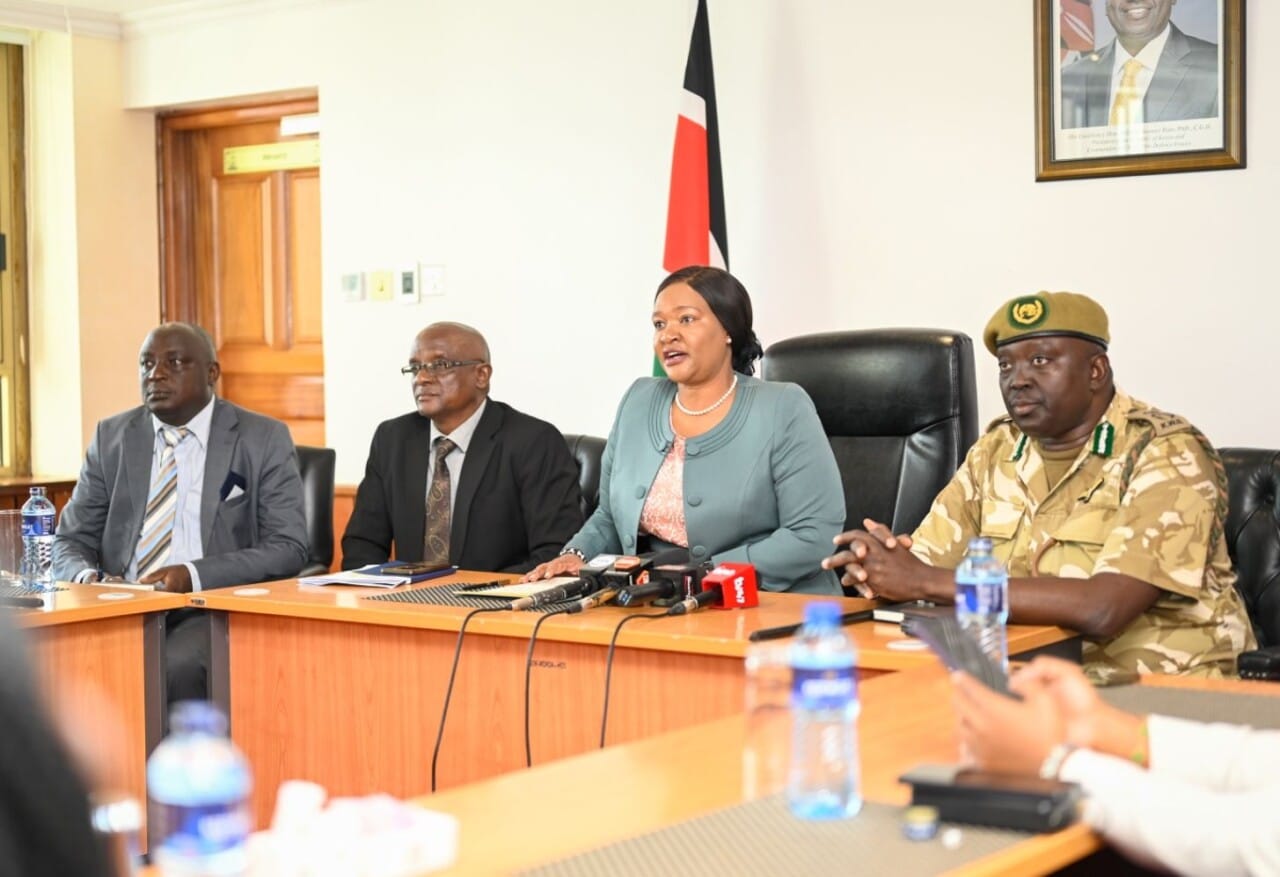
Kenya has launched a new digital compensation system to ease the burden on communities affected by human-wildlife conflict (HWC). The Ministry of Tourism and Wildlife introduced the system to speed up claims, improve transparency, and restore trust.
Cabinet Secretary Rebecca Miano announced the shift, calling HWC a growing challenge to conservation and development. “Human-wildlife conflict arises when people and animals compete for limited resources,” she said. “It’s an issue we can no longer ignore.”
Kenya’s landscape supports a rich mix of wildlife. However, about 65% of these animals live outside protected zones. This means that communities near these habitats face daily risks, often losing crops, livestock, or even lives.
Counties Bearing the Brunt
A recent three-year analysis revealed the ten counties most affected by HWC. Taita Taveta recorded the highest number of incidents at 6,293. It was followed by Laikipia (4,479), Kajiado (3,196), Meru (1,451), and Marsabit (1,373). Other counties on the list include Nakuru, Kilifi, Kitui, Kwale, and Isiolo.
Meanwhile, Kenya continues to conserve about 12.34% of its land. This includes 24 national parks, 29 reserves, 234 forest reserves, and several marine parks and sanctuaries.
Kenya Rolls Out Digital Compensation System to Tackle Rising Human-Wildlife Conflict
A Modern, Transparent System
The Ministry has replaced outdated manual systems with a new, tech-based model. This system relies on real-time data, faster verification, and mobile payments—especially for claims under Ksh. 100,000 via M-Pesa. So far, beneficiaries have received Ksh. 10 million under this new model. Another 804 claims are set to follow.
“This isn’t just about speed. It’s about restoring dignity and trust,” said Miano. “Our goal is to make conservation a shared success.”
Local Involvement Through Committees
The ministry has revived County-level Community Wildlife Compensation Committees (CWCCs). These local bodies will verify claims on the ground, ensuring faster decisions and fewer delays. According to Miano, this community-driven approach fights corruption and places decision-making power where it belongs—with the people.
Funding Challenges Remain
Despite progress, Kenya still faces a large backlog. Over 20,000 claims are pending, valued at Ksh. 1.36 billion. Since 2018, the government has disbursed over Ksh. 4.8 billion in compensation. The current administration has paid out Ksh. 2.8 billion of that total.
In 2023 alone, HWC cases peaked at 8,272. However, funding has not kept pace. “We need urgent action to close this gap,” Miano urged.
Media Called to Amplify the Message
Miano appealed directly to journalists, broadcasters, and content creators. She asked them to join a national campaign to tell real stories from affected communities and highlight the need for funding. “Media can turn statistics into empathy,” she said. “That empathy can drive policy change.”
The ministry has planned a series of outreach activities across the country. These will lead to a major compensation event in Meru County on May 26.
A Call for Partnership
“This model isn’t just about money,” said Miano. “It’s a promise to protect both our wildlife and our people.” She emphasized that the government cannot do it alone. For lasting success, it needs help from the media, the private sector, and every Kenyan.
“Our future depends on coexistence. Let’s make that future possible—together.”















Comments