
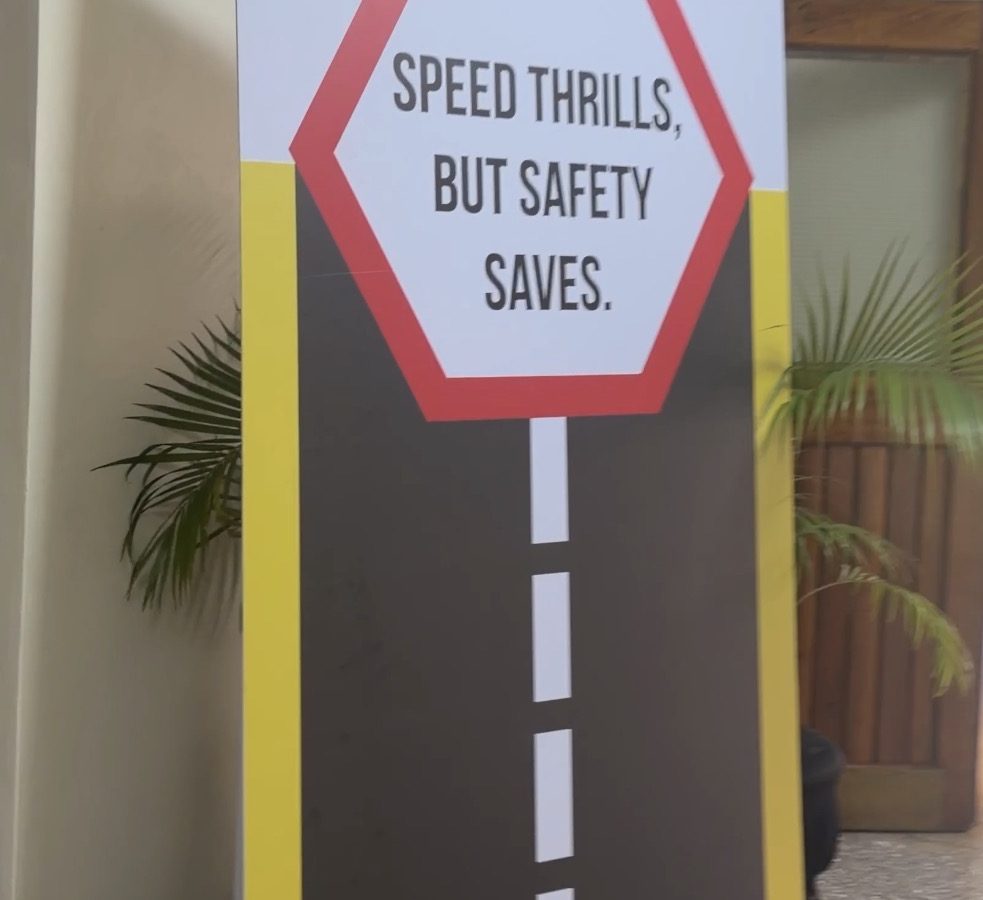

NAIROBI, Kenya, November 26, 2026 – Kenya is targeting a reduction of more than 30% in road fatalities over the next five years under a KSh30 billion road safety plan, as the government intensifies efforts to address rising deaths and strengthen transport sector regulation.
The announcement was made by Roads and Transport Cabinet Secretary Davis Chirchir during the Africa Regional Road Safety Conference 2026, powered by KCB, at the KCB Leadership Centre in Nairobi.
The conference brought together government officials, road safety experts, development partners and private sector stakeholders to discuss practical solutions to Africa’s road safety challenges.
Chirchir said Kenya recorded 5,009 road fatalities in 2025, up from 4,748 in 2024. By November 16, 2026, the country had reported 4,613 deaths, compared with 4,238 during the same period in 2025.
He estimated that road crashes cost the Kenyan economy approximately KSh450 billion annually, underscoring the need for urgent and coordinated intervention.
The five-year Road Safety Action Plan 2024–2028, valued at KSh30 billion, will prioritise safer infrastructure, intelligent traffic enforcement, motorcycle safety, public transport transformation, vehicle inspections and institutional capacity development.
The government expects the programme to contribute to a reduction in road fatalities of more than 30% over five years, subject to adequate financing and coordinated implementation.
Technology and enforcement take centre stage
The government is establishing the Kenya Road Assessment Programme (KenRAP) to identify high-risk road sections and prioritise accident blackspots using internationally recognised road assessment standards.
It is also expanding technology-enabled enforcement through speed cameras, automated violation detection, digital traffic offence management and automatic number plate recognition.
Chirchir said enforcement will prioritise speeding, drunk and drug-impaired driving, dangerous overtaking, overloading, unroadworthy vehicles and reckless driving.
Public transport reforms are also underway, with more than 4,000 transport management personnel and drivers trained over the preceding three months. Operator compliance currently stands at approximately 76%.
The government is further exploring financing mechanisms for fleet acquisition, leasing and cashless fare collection to improve the safety and efficiency of public transport.
Stronger regulation and regional cooperation
Principal Secretary for Transport Mohamed Daghar highlighted additional measures under consideration, including the review of the Traffic Act, reintroduction of Continuous Professional Development for PSV and commercial drivers, stronger county transport safety committees and improved regulation of taxi and digital transport services.
He also called for stronger institutional coordination, reliable road crash data and targeted interventions for vulnerable road users, particularly pedestrians and motorcyclists.
At the regional level, Chirchir called for greater cooperation among African countries through frameworks such as the COMESA-EAC-SADC Tripartite Transport and Transit Facilitation Programme and the EAC Road Safety Action Plan 2020–2030.
He urged governments, development partners and private sector institutions, including financial institutions, to increase investment in safer roads, vehicles, technology and institutional capacity.
The conference comes as African countries work towards the United Nations Decade of Action for Road Safety target of reducing road traffic deaths and serious injuries by at least 50% by 2030.