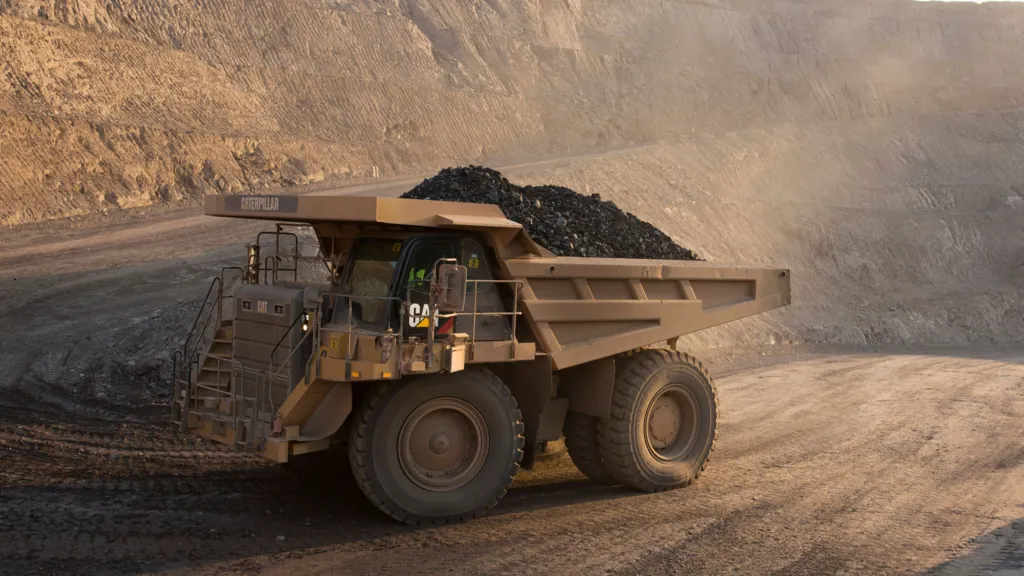

The proposed development could position Kenya in critical mineral supply chains, but environmental concerns and regulatory approvals remain key issues.
A US-led consortium has won the tender to develop Kenya’s Mrima Hill mining project in Kwale County, beating seven other bidders, including companies from China and Australia.
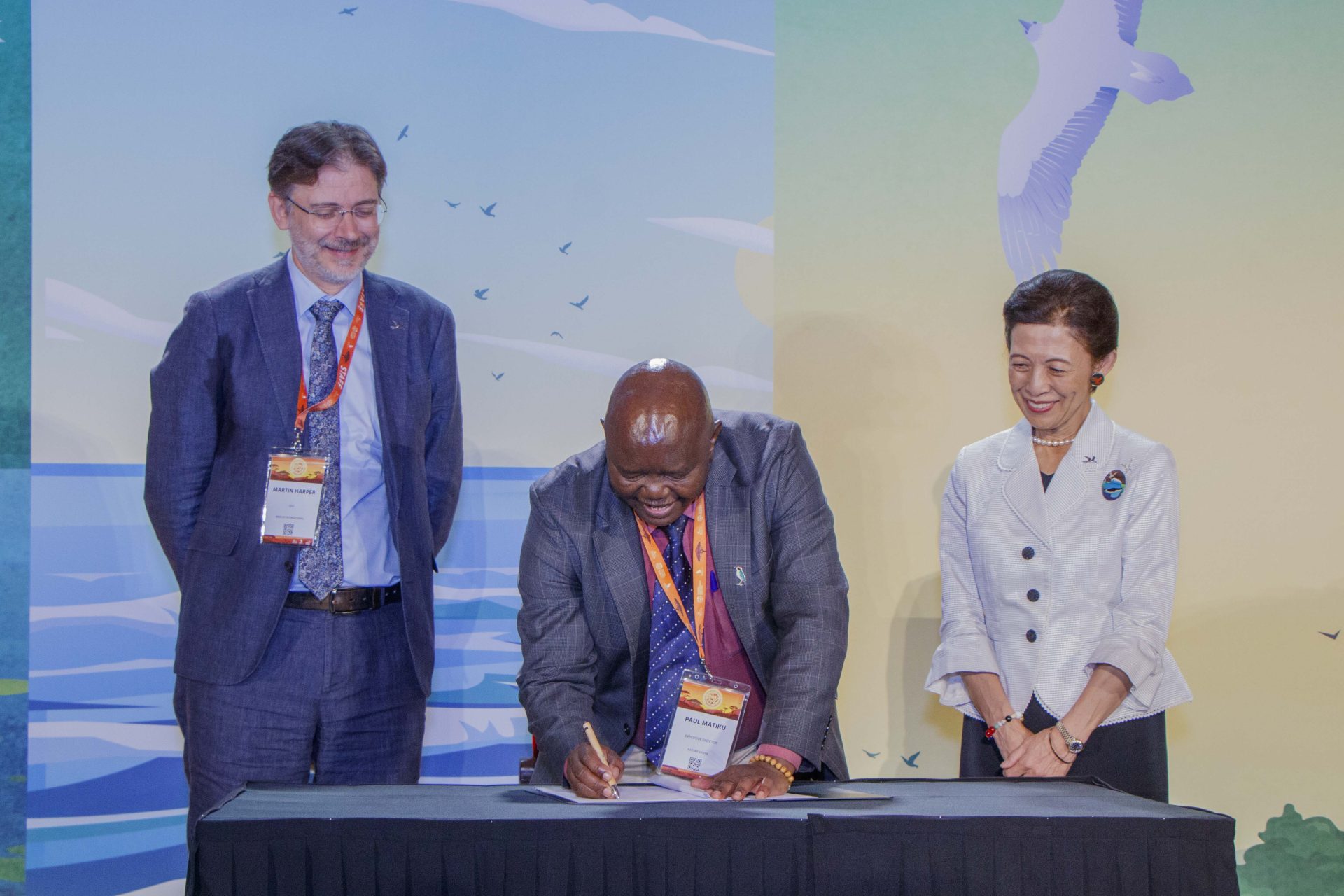
The consortium, known as Frontier Minerals, brings together Bunker Hill Mining Corp, American Resources Corporation and ReElement Technologies Corporation.
The site is estimated to contain critical mineral deposits worth more than US$60 billion. These include niobium, a mineral used in electric vehicles, aerospace and defence technologies. The estimate represents the potential value of the deposits, not the value of the mining agreement or guaranteed government revenue.
The development places Kenya within growing international competition for critical minerals. These resources are increasingly important to industries developing advanced technologies and cleaner energy systems.
Consortium Proposes Local Mineral Processing
Frontier Minerals says its proposal includes plans to process and refine minerals in Kenya rather than export raw materials for processing elsewhere.
The approach could create opportunities for local industrial development, skills transfer and employment. It could also allow Kenya to capture more value from its mineral resources.
The consortium says it intends to support Kenyan workers and businesses through investment and capacity-building. It has also pledged to prioritise environmental management.
The project comes as the United States seeks to diversify its access to critical minerals and strengthen supply chains beyond China, which dominates the processing of several key minerals.
Environmental and Community Concerns
However, the proposed development has raised concerns among residents near Mrima Hill.
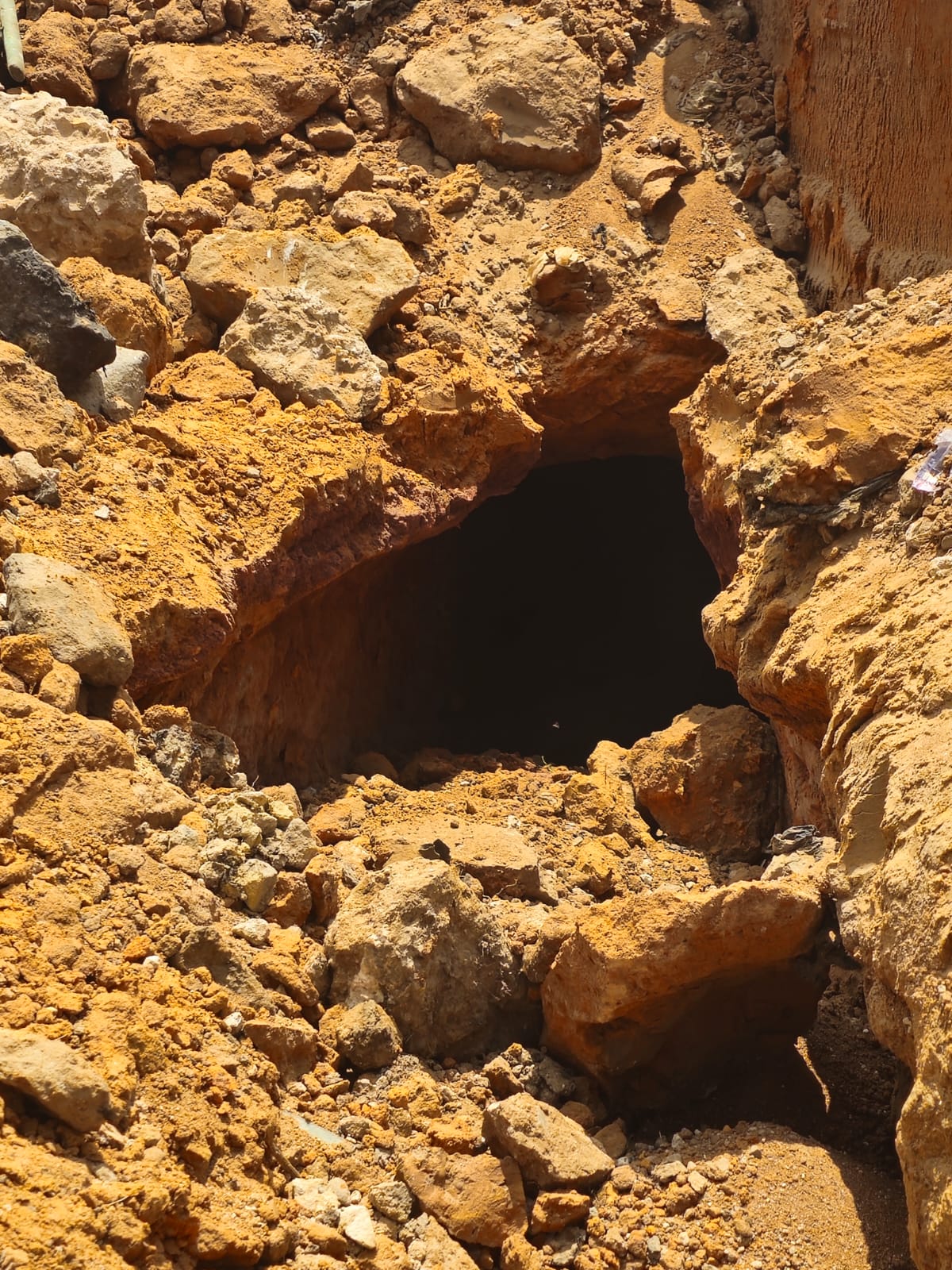
The site covers approximately 390 acres of forest in Kwale County. Local concerns include potential damage to the forest and threats to the area’s ancestral heritage.
Questions also remain about how surrounding communities will benefit from the project and how the development will protect their interests.
These concerns place environmental safeguards, community engagement and benefit-sharing at the centre of discussions about the project’s future.
Regulatory Approvals Still Pending
The tender award does not mean mining can begin immediately. Frontier Minerals must still obtain a prospecting licence and meet the required regulatory conditions.
The selection has also attracted objections from competing bidders. According to reports cited by the BBC, two rival companies intend to challenge the decision. Australia’s RareX has alleged that Frontier Minerals missed an earlier submission deadline, while the Kenyan government has maintained that the process was open and transparent.
The next stages will therefore be important in determining how the project proceeds.
For Kenya, Mrima Hill presents an opportunity to develop its critical minerals sector and attract investment into local processing. However, the project’s long-term value will also depend on regulatory compliance, environmental protection and meaningful benefits for communities in Kwale.
Source- BBC