
Financial Literacy Takes Centre Stage at Abojani’s 6th Economic Empowerment Conference
Industry leaders urged investors to build financial knowledge, question investment information and make informed decisions to create and preserve sustainable wealth.
Financial knowledge is becoming increasingly important as more people explore investment opportunities and seek ways to build lasting wealth.
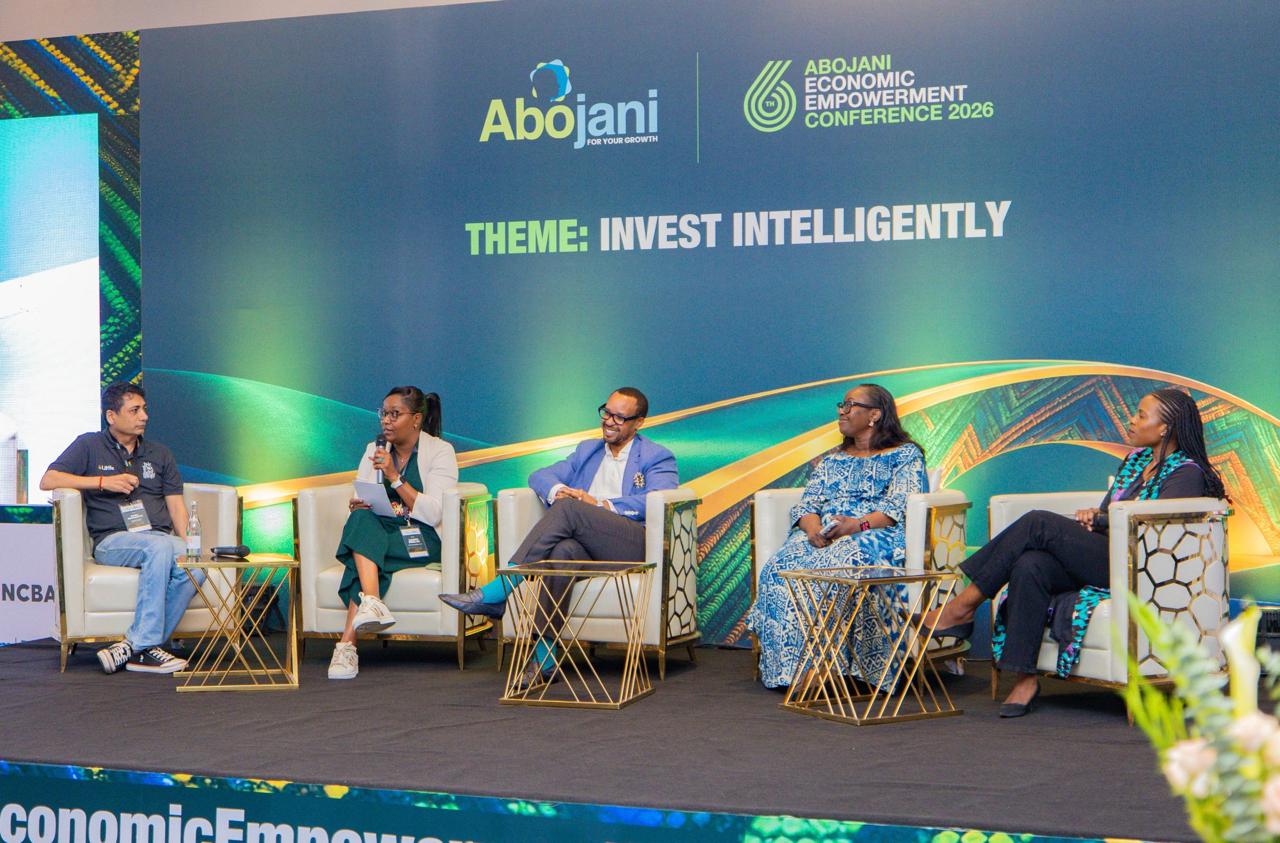
This was a key message at the 6th Abojani Economic Empowerment Conference, where financial and business leaders challenged participants to look beyond investment trends and develop the knowledge needed to make sound financial decisions.
Robert Ochieng, CEO of Abojani, emphasized that financial empowerment starts with a willingness to learn. He highlighted the importance of investing in financial knowledge as a foundation for informed decisions and long-term financial security.
“Financial empowerment begins with a willingness to learn,” said Ochieng.
He added that the conference provided an opportunity for participants to exchange ideas and gain practical insights into investment opportunities and sustainable wealth creation.
“Through today’s conversations, we gain insights to navigate investment opportunities and build sustainable wealth,” he said.
Ochieng also challenged investors to approach wealth creation with intention. He noted that building a resilient portfolio requires planning, informed decisions and diversification.
Moreover, he reminded investors that wealth creation does not end once they make an investment. They must regularly assess performance and determine when their portfolios need adjustments.
Look Beyond Investment Hype
Muathi Kilonzo of NCBA Investment Bank urged investors to become more critical consumers of financial information.
With investment advice widely available on social media and other digital platforms, he encouraged participants to verify information before making decisions.
“Not all information carries the same weight. Look beyond social media and check company financials, annual reports and stock exchange data. Assess credibility and relevance before making decisions,” said Kilonzo.
He also encouraged investors to question popular investment arguments and examine different perspectives before committing their money.
“Question what you hear. Look for the opposing view, challenge assumptions and examine the evidence before accepting an investment argument,” he said.
Continuous learning, he added, should extend beyond financial headlines. Kilonzo recommended exploring podcasts such as In Good Company and How I Built This to gain insights from businesses and their founders.
He further highlighted succession planning as an important part of wealth management, noting that investors should consider how their assets will be transferred to future generations.
Understand Before You Invest
Risper Ohaga, CEO of APA Apollo Group, cautioned investors against committing money to opportunities they do not understand.
“If you don’t understand an investment, take a step back. There’s plenty of information online, but never commit money to something you cannot explain,” said Ohaga.
Her message highlighted the need for investors to understand how an investment works before making financial commitments.
Elizabeth Irungu, CFA, CEO of Absa Asset Management, also emphasized the importance of reviewing investment portfolios as market conditions change.
“Your portfolio is not a destination. As markets shift, reassess your investments, realign and diversify where needed. Resilience requires continuous attention,” she said.
Irungu urged investors to conduct thorough research before buying financial assets. She said they should consider probabilities, understand company fundamentals and assess growth prospects rather than follow market noise.
Research, Diversify and Use Technology Carefully
Kamal Budhabhatti, Group CEO of Craft Silicon and CEO of Little Super App, encouraged participants to invest in opportunities they understand.
“Invest in what you understand. Research the opportunity, learn how it works and assess its viability. Don’t invest simply because something is popular,” he said.
He also addressed the growing use of artificial intelligence in accessing and interpreting information. While AI can help summarize information, Budhabhatti cautioned investors against treating its responses as unquestionable facts.
“AI can summarize information, but it isn’t a source of truth. Verify its output, research independently and use your judgement before investing,” he said.
The discussions at the 6th Abojani Economic Empowerment Conference reinforced a common message: building sustainable wealth requires more than access to investment opportunities.
Investors need financial knowledge, independent research, regular portfolio reviews and a clear understanding of the risks involved. Just as importantly, they must plan for the preservation and transfer of the wealth they create.