
 By
By 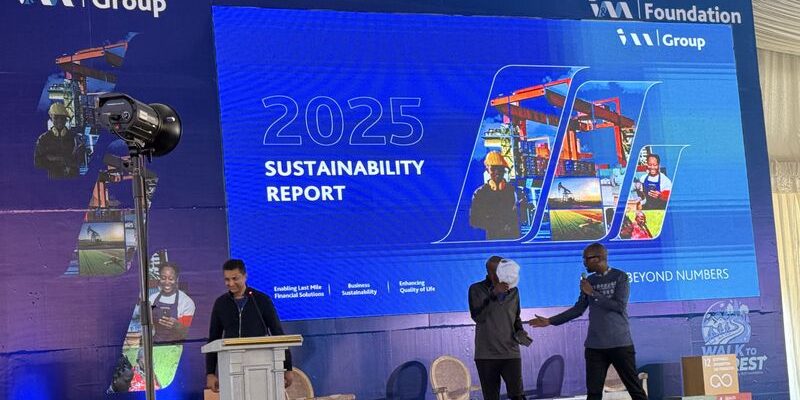

I&M Group: Driving Inclusive Growth Through Sustainability
Through financial inclusion, skills development and economic empowerment, I&M Group is creating more opportunities for women, youth and underserved communities.
For a woman running a small business, access to finance can determine how far the business grows.
For a young person, the right skills can open the door to employment or entrepreneurship.
For an entrepreneur in an underserved community, access to capital can turn an idea into a sustainable source of income.
These everyday realities give sustainability a deeper meaning.
At I&M Group, sustainability is increasingly connected to how people access opportunities, build livelihoods and improve their quality of life.
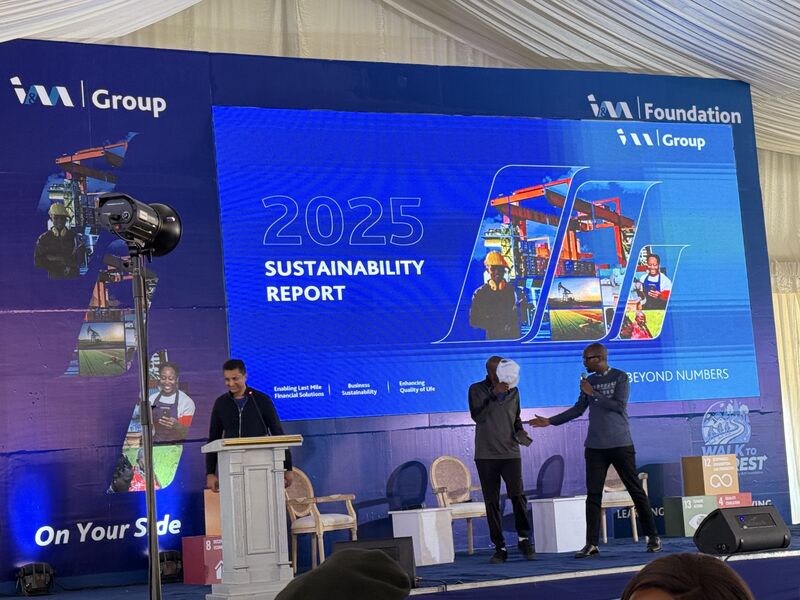
The Group’s 2025 Sustainability Report places financial inclusion, education and skills development, economic empowerment and community investment at the centre of this approach.
I&M Group has impacted more than 10 million lives and aims to positively impact more than 50 million lives by 2030.
Expanding Access to Finance
Financial inclusion is about more than having a bank account.
It is about having the resources to grow a business, invest in a farm or pursue an opportunity.
I&M Group is using its regional footprint and digital platforms to expand access to finance. The focus includes underserved individuals, MSMEs, smallholder farmers and emerging entrepreneurs.
In 2025, digital lending reached KES20.6 billion. This was up from KES11.5 billion in 2024.
Financing through the Group’s ecosystem also increased to KES5.9 billion, compared with KES3 billion the previous year.
Meanwhile, financing to MSMEs reached KES18.3 billion, up from KES13 billion in 2024.
Behind these figures are entrepreneurs seeking working capital, businesses looking to expand and people trying to build more secure livelihoods.
Digital access is also changing how customers interact with financial services. In 2025, 86% of I&M customers were digitally active.
For customers who may face barriers to traditional banking, digital channels can make financial services more accessible and convenient.
Equipping Women and Youth for Opportunity
Finance can open a door. Skills can help people walk through it.
That is why I&M Group’s sustainability efforts extend beyond financial services.
In 2025, more than 38,000 women and youth were empowered through its initiatives. The Group also supported more than 440 scholarships.
Economic empowerment was another key area of focus. I&M invested more than KES39 million in economic empowerment initiatives during the year.
These interventions highlight an important part of inclusive growth.
A young person with relevant skills has more pathways into employment or entrepreneurship.
For women, access to skills and economic support can strengthen their ability to earn, grow businesses and contribute to household incomes.
Education can also create benefits that extend beyond one individual. When people gain knowledge and skills, they can become better equipped to make financial decisions and pursue new opportunities.
Creating Space for More People
Inclusive growth also depends on who gets to participate in the wider economy.
Within I&M Group, women represented 50% of the workforce in 2025. Women also held 43% of senior leadership positions, up from 40% in 2024.
The Group’s approach extends into its supply chain.
Local suppliers accounted for 87% of supplier contracts, while local SMEs accounted for 61%. Contracts awarded to special groups increased to 8%, from 5% in 2024.
Such measures show that inclusion goes beyond access to financial products.
It also involves creating opportunities to work, lead, supply and participate in economic activity.
For businesses, inclusion within supply chains can create opportunities to build relationships, generate revenue and grow.
Connecting Sustainable Finance With Livelihoods
Sustainability also matters to communities whose livelihoods depend on agriculture and natural resources.
I&M Group recorded KES3.7 billion in green finance contracts in 2025. Agricultural finance contracts stood at KES2.3 billion.
For farmers and businesses, sustainable financing can support more resilient economic activity.
The approach connects environmental responsibility with livelihoods. It also supports businesses and communities as they navigate changing economic and environmental conditions.
This makes sustainable finance part of a broader conversation about economic resilience.
Taking Impact Beyond Banking
I&M Group’s sustainability agenda also reaches communities through social investment.
In 2025, more than 300,000 people were reached through community investment. The Group also planted more than one million trees and invested more than KES250 million in ecosystem restoration.
These initiatives form part of the Group’s wider commitment to enhancing quality of life.
Its Sustainability Action Plan for 2024–2026 is built around three pillars: enabling last-mile financial solutions, building a sustainable business and enhancing quality of life. The Group has set a target of positively impacting more than 50 million lives by 2030.
The ambition places people at the heart of the Group’s sustainability journey.
Looking ahead, I&M Group plans to deepen financial inclusion for MSMEs, women, youth and underserved communities. It also plans to scale education and economic empowerment initiatives.
I&M Group: Driving Inclusive Growth Through Sustainability
Making Inclusive Growth a Reality
For I&M Group, sustainability is therefore about more than environmental responsibility.
It is also about creating pathways for people to participate in the economy.
For the woman seeking to grow her business, that pathway may begin with access to finance.
For a young person, it may start with education, skills or a scholarship.
For an underserved entrepreneur, it may mean getting access to capital, digital financial services or new markets.
These individual opportunities can contribute to a wider cycle of economic participation.
As I&M Group works towards its 2030 ambition, its sustainability agenda points to a broader definition of growth one where financial inclusion, skills development and economic empowerment help ensure that more people can participate in and benefit from economic progress.
Ultimately, the impact of sustainability can be measured not only by what institutions protect, but also by the opportunities they help create for people to earn, build and prosper.













Comments