
The bank plans to align its internal road safety standards with the FIA Road Safety Index as it expands collaboration with partners, including AA Kenya.
KCB Bank has renewed its commitment to improving road safety across Africa, placing greater emphasis on public awareness, responsible road use and partnerships aimed at reducing road traffic deaths and injuries.
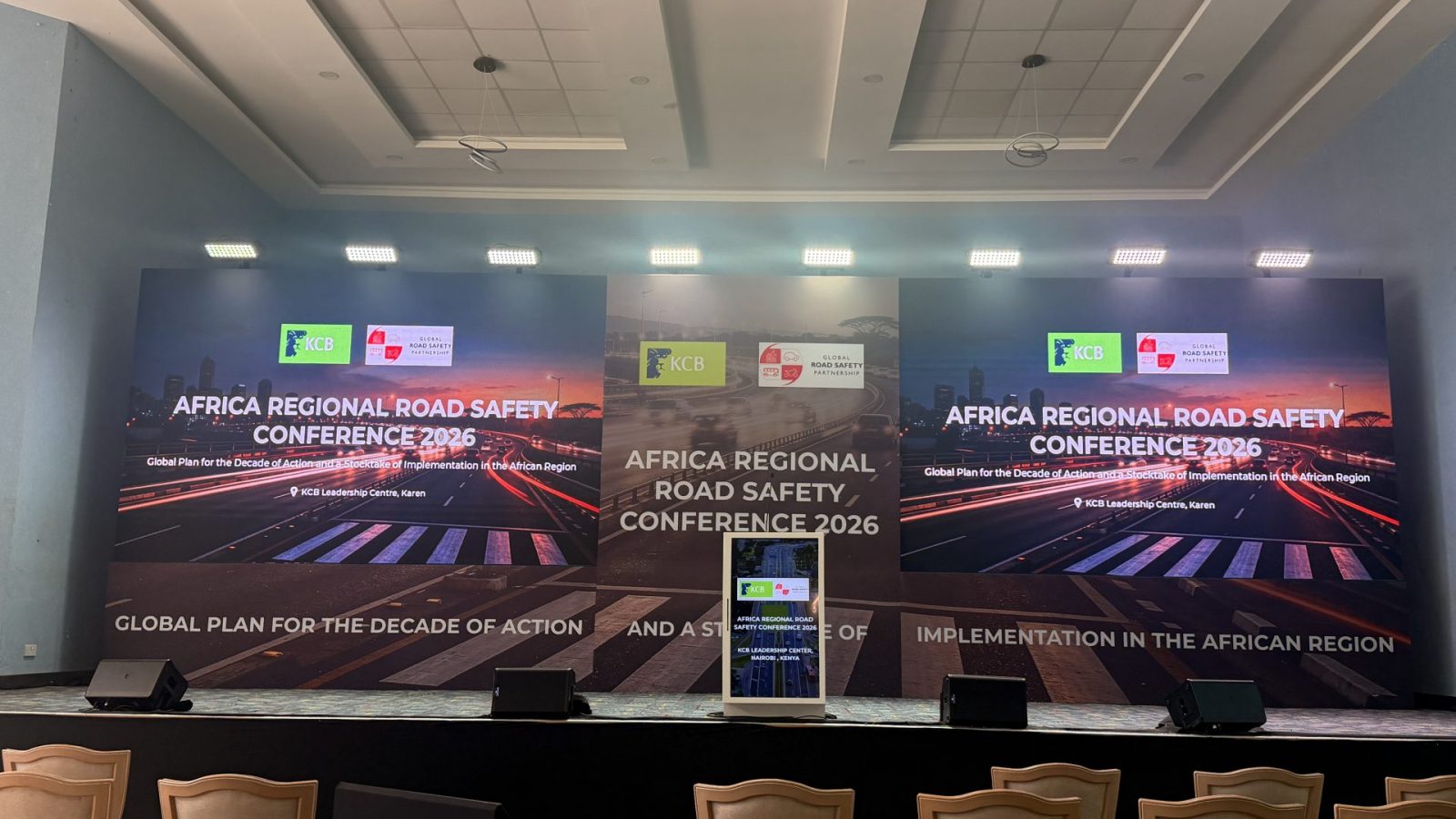
The commitment was highlighted at the Africa Road Safety Conference 2026 in Nairobi, jointly hosted by the Global Road Safety Partnership (GRSP). The conference examined progress towards the United Nations Decade of Action for Road Safety 2021–2030, which targets a 50 per cent reduction in road traffic deaths and injuries.
KCB plans to progressively implement internal road safety standards aligned with the International Automobile Federation (FIA) Road Safety Index. The bank will work with partners such as AA Kenya as it advances this agenda.
KCB Builds on Global Road Safety Partnership
In April 2026, KCB became the first organisation in Africa to join the Global Road Safety Partnership.
The membership provides a platform for the bank to support road safety through collaboration, advocacy, knowledge sharing and sustainable financing.
KCB intends to draw on its regional presence and financial expertise to support practical interventions across East and Central Africa.
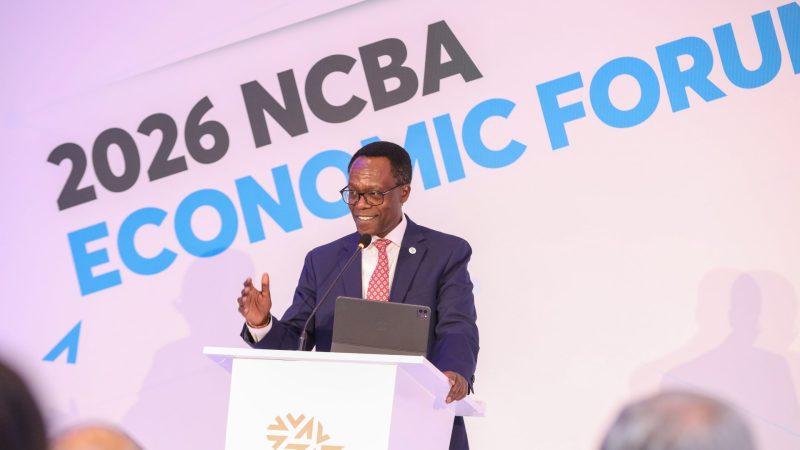
Speaking at the conference, KCB Bank Kenya Managing Director Annastacia Kimtai said road safety requires sustained investment in public awareness, safer infrastructure and responsible road use.
She noted that the issue has far-reaching social and economic consequences, requiring coordinated action from governments, businesses and communities.
“Every life lost on our roads represents a family deprived of a loved one, a community losing a productive member and an economy losing valuable human potential. As a regional financial institution whose business is closely connected to the movement of people, goods and services, we believe that road safety awareness must become part of our everyday conversations and collective responsibility,” she said.
Road Crashes Continue to Weigh on African Economies
Road safety remains a major development concern across the continent.
The press release cites approximately 1.19 million road traffic deaths globally each year. Although Africa accounts for only 2–3 per cent of the world’s vehicle fleet, it bears an estimated 19–24 per cent of global road traffic deaths.
The economic cost is also significant, with road crashes estimated to account for losses of up to 3–5 per cent of GDP in affected economies.
Beyond the loss of life, road crashes contribute to reduced productivity, increased healthcare costs and financial pressure on households.
Kenya’s road safety efforts are guided by the National Road Safety Action Plan 2024–2028. The framework focuses on stronger road safety management, enforcement, safer infrastructure and responsible road use.
Roads and Transport Cabinet Secretary Davis Chirchir said the government welcomed private-sector partnerships that support public awareness and sustainable road safety solutions.
He noted that improving safety on the roads requires shared responsibility beyond government institutions.
IMPACT ZERO Anchors KCB’s Road Safety Agenda
KCB’s renewed commitment builds on its road safety initiative, IMPACT ZERO, guided by the principle that “Every safer journey is a future protected”.
The initiative focuses on three pillars: Advocacy, Innovation and Literacy.
Through these areas, the bank aims to make road safety part of wider conversations about responsible mobility and community well-being.
Its collaboration with GRSP also creates an opportunity to connect financial-sector resources and regional networks with efforts to address road safety challenges.
As African countries work towards the 2030 road safety targets, partnerships involving governments, businesses and civil society will remain important in translating commitments into practical action.