
 By
By 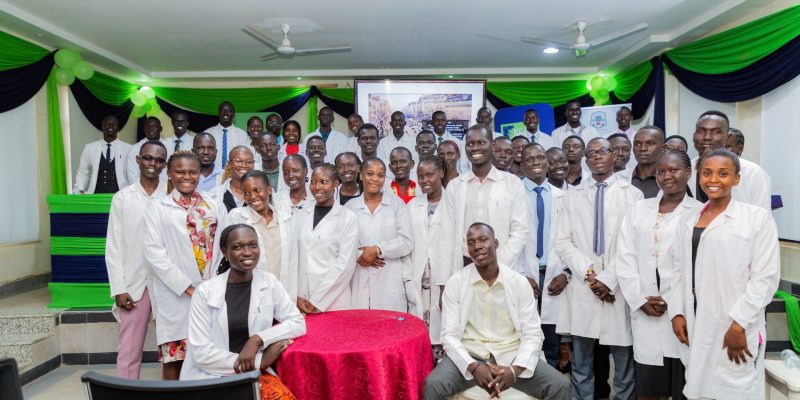

KCB Foundation Expands Scholarship Programme to South Sudan, Supports 50 Medical Students
The programme aims to widen access to higher education while helping address the country’s shortage of skilled health workers.
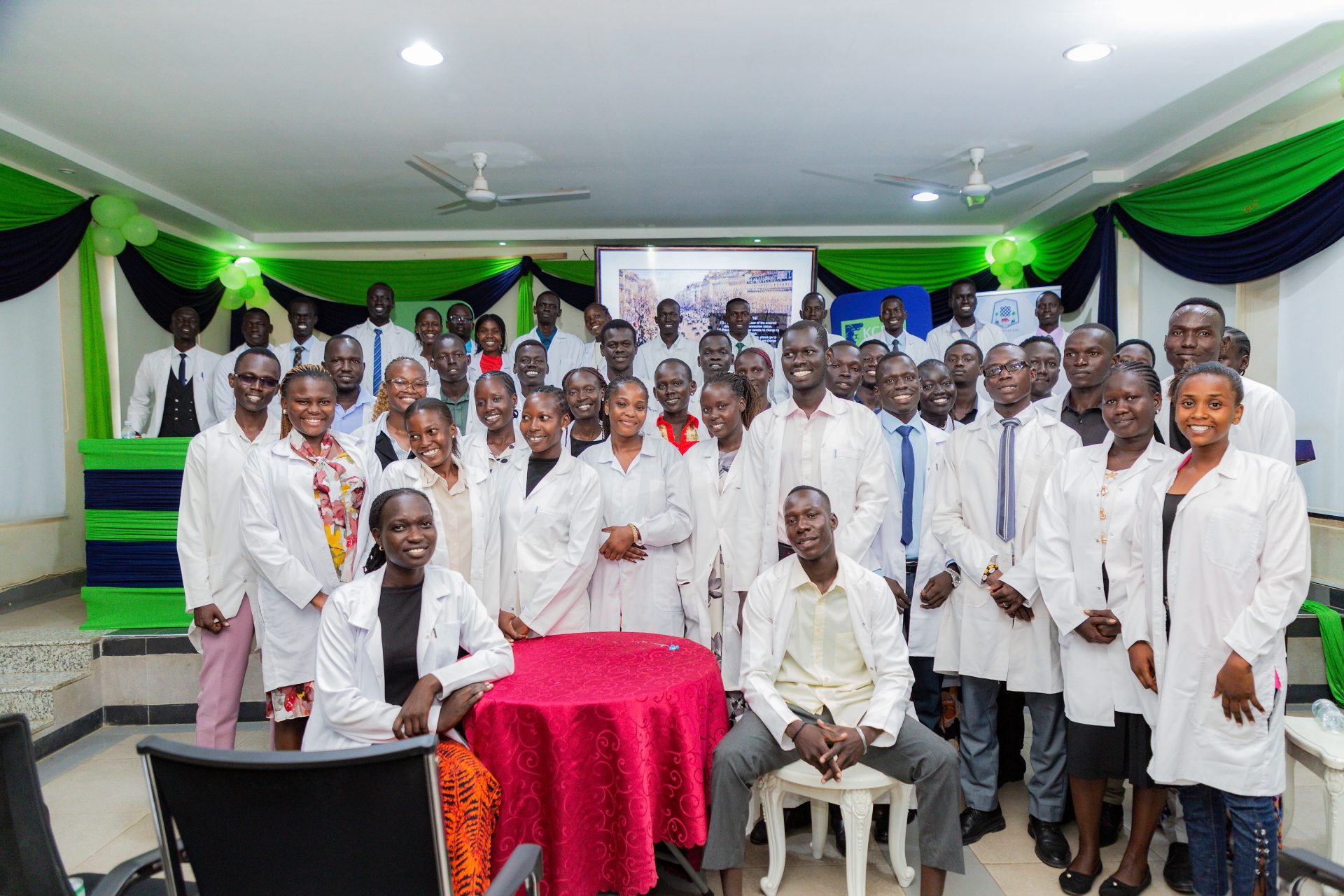
KCB Foundation has expanded its education support programme beyond Kenya, launching the KCB Scholars Programme in South Sudan with scholarships for 50 medical students at the University of Juba.
The inaugural cohort comprises 30 male and 20 female third-year medical students who will receive financial support to complete their training and progress towards careers in the health sector.
The initiative comes as South Sudan continues to grapple with limited access to higher education and a shortage of skilled professionals, particularly in critical sectors such as healthcare.
Investing in South Sudan’s future health workforce
Speaking during the launch at the University of Juba, KCB Foundation Managing Director Mendi Njonjo said the programme is designed to support young South Sudanese while contributing to the country’s long-term development.
“South Sudan needs a strong, skilled and committed health workforce.”
She noted that supporting students through medical training would help create opportunities for young people while building skills needed by the country’s healthcare system.
The focus on medical students is particularly significant given South Sudan’s existing health workforce gap.
According to a 2025 analysis published by the South Sudan Medical Journal, the country has approximately 7.6 skilled health workers for every 10,000 people, well below the World Health Organization’s recommended threshold of 45.5 health workers per 10,000 people required to achieve universal health coverage.
KCB Foundation Expands Scholarship Programme to South Sudan, Supports 50 Medical Students
Tackling barriers to higher education
The scholarship programme also responds to the broader challenges facing South Sudan’s higher education sector.
UNESCO data cited by KCB Foundation puts the country’s gross enrolment ratio in tertiary education at approximately 2.5 per cent, meaning fewer than three out of every 100 young people of university age are enrolled in higher education.
With only seven public and private universities serving a population of more than 12 million people, limited infrastructure, funding and academic capacity continue to constrain access to university education.
For students from financially disadvantaged backgrounds, these barriers can make completing higher education particularly difficult.
The KCB Scholars Programme is therefore targeting a critical point in the education-to-employment pipeline by supporting students who have already reached university but require financial assistance to complete their professional training.
From Kenya to the wider region
The expansion builds on the KCB Scholars Programme’s history in Kenya.
Established in 2007, the programme has supported thousands of students from financially disadvantaged backgrounds. KCB Foundation says it has awarded more than 7,000 secondary school scholarships and over 600 tertiary scholarships.
The programme has recorded a 99 per cent secondary school completion rate and an 84 per cent transition rate to university and college.
The expansion into South Sudan signals a broader regional approach to education and skills development, with KCB Foundation positioning scholarships as part of its efforts to create sustainable livelihoods and strengthen communities.
Government welcomes private-sector partnership
The South Sudanese government has welcomed the initiative as a contribution to expanding opportunities for young people.
Speaking at the launch, Undersecretary in the Ministry of General Education and Instruction Hon. Omot Okony Olok Guon said partnerships such as the KCB Scholars Programme can help address the country’s education needs.
“Investing in education is investing in the future of our country.”
The partnership highlights the growing role of private-sector and foundation-led interventions in complementing government efforts to expand access to education and develop skills needed by emerging economies.
Building skills for long-term development
For South Sudan, supporting medical students could have an impact beyond the individual beneficiaries.
As the country works to strengthen its healthcare system, increasing the number of locally trained professionals can contribute to improved access to healthcare while creating employment opportunities for young people.
KCB Foundation says it will continue pursuing partnerships that expand access to education, skills development and economic opportunities across the region, with a focus on initiatives that can contribute to sustainable livelihoods and long-term community impact.
The launch of the KCB Scholars Programme in South Sudan therefore represents more than a scholarship initiative. It places education, skills development and human capital at the centre of efforts to build a stronger workforce capable of supporting the country’s future economic and social development.













Comments