
 By

Building on Kenya’s Economic Gains: The Road to 2027
At the 2026 NCBA Economic Forum, government and business leaders examined how sound policies, investment and stronger partnerships can sustain economic growth and create opportunities for businesses.
Kenya’s economic outlook for 2027 presents both opportunities and challenges. While the country has made progress in stabilizing its economy, sustaining that progress will require sound policies, disciplined public spending and stronger collaboration between government and the private sector.
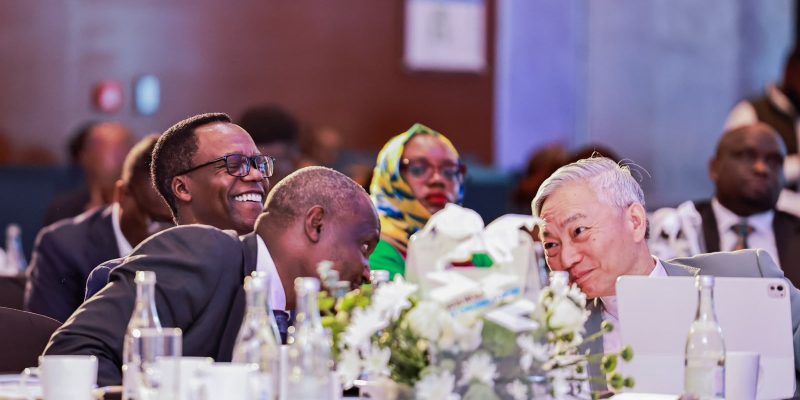
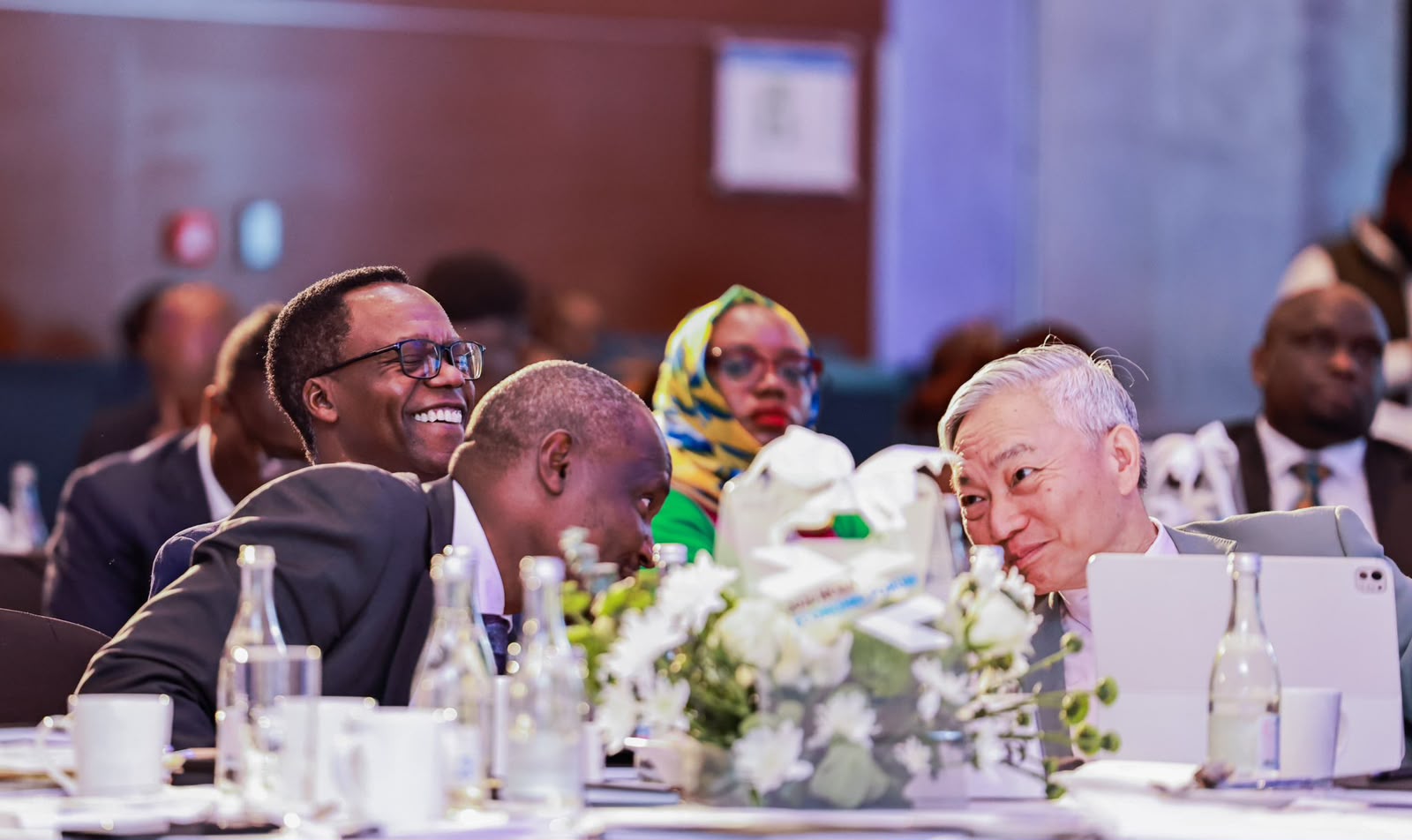
These issues took centre stage at the 2026 NCBA Economic Forum, held on November 3 at Radisson Blu Hotel in Nairobi. The forum brought together government representatives, financial sector leaders, development partners, corporate customers and industry experts to discuss the economic and policy issues shaping Kenya’s future.
Held under the theme Sustaining Economic Resilience, while Safeguarding Policy Gains in 2027, the forum focused on how Kenya can maintain economic stability while navigating external shocks and domestic uncertainties ahead of the 2027 General Election.
The discussions also examined the role of public finance management, investment, access to credit and private-sector participation in supporting sustainable economic growth.
Kenya’s Economic Outlook: Growth and Emerging Opportunities
Kenya’s economic performance has remained relatively resilient despite global and domestic pressures. However, the outlook for 2027 will depend on how the country responds to emerging risks and builds on the progress already made.
In his keynote address, National Treasury Cabinet Secretary John Mbadi said the government projects economic growth of 5.0% in 2026 and 5.1% in 2027.
He noted that the economy recorded average annual growth of 5.0% between 2022 and 2025, outperforming the global average of 3.5% and Sub-Saharan Africa’s 4.1%.
The Cabinet Secretary also highlighted improvements in inflation, foreign exchange reserves, the stability of the shilling and private-sector credit.
Official foreign exchange reserves had reached US$14.9 billion, equivalent to 6.1 months of import cover. Meanwhile, lending to the private sector had recovered from a contraction of 2.9% in January 2025 to growth of 10.6% in September 2026.
Foreign direct investment also doubled from US$1.6 billion in 2022 to a record US$3.2 billion in 2025.
However, Mbadi acknowledged that the country still faces significant risks. These include higher global energy prices, pressure on public spending and the possibility of economic uncertainty during the election period.
For businesses, these developments underline the importance of managing operating costs, planning for changing market conditions and making informed investment decisions.
Building on Kenya’s Economic Gains: The Road to 2027
Protecting Policy Gains Through Fiscal Discipline
A key priority in the 2027 economic outlook is ensuring that the progress made in recent years is sustained through responsible public finance management and consistent policies.
Mbadi said the government would maintain fiscal discipline during the election year. Its priorities include broadening the tax base, improving expenditure management, actively managing public debt and attracting private investment.
He also highlighted reforms in public finance management aimed at strengthening transparency and accountability.
These include the Treasury Single Account, which brings government cash balances under a centralized system, and the e-Government Procurement platform, which has moved public procurement onto a single digital platform.
The government has also introduced zero-based budgeting and strengthened controls to ensure that ongoing projects receive priority before new ones begin.
According to Mbadi, these reforms are intended to improve the use of public resources and strengthen confidence in government financial management.
He added that the government is pursuing alternative ways of financing infrastructure through the National Infrastructure Fund, the Sovereign Wealth Fund and public-private partnerships.
Through these arrangements, the government aims to mobilize KSh100 billion in private investment through public-private partnerships in the 2027/28 financial year.
The Private Sector’s Role in Driving Growth
The forum also placed attention on the importance of private-sector investment in sustaining economic activity.
For businesses to expand, create jobs and contribute to national development, they need a stable operating environment, access to affordable financing and predictable government policies.
Mbadi said the government was committed to keeping markets open, improving efficiency and creating more opportunities for private capital.
He urged businesses to continue investing in the real economy and encouraged development partners to provide long-term financing and guarantees that attract private investment.
He also called on banks to increase lending to productive sectors, including agriculture, manufacturing and micro, small and medium-sized enterprises.
The Cabinet Secretary noted that banking sector assets grew by 13.1% to KSh8.9 trillion in the year to June 2026, while profits increased by 19.2% to KSh88.9 billion.
He said the reduction in government borrowing from commercial banks should create more room for lending to businesses.
“The true test of a strong banking sector is not its profits alone, but the productive activity its strength makes possible,” Mbadi said.
For businesses, access to credit remains important. However, financial institutions also have a role in supporting customers to manage cash flow, assess risks and identify opportunities for growth.
As the host of the forum, NCBA brought together its corporate banking customers and key economic stakeholders to discuss the issues influencing business decisions.
Through its Banking on Belief purpose of empowering ambitions, the bank continues to position itself as a partner to businesses seeking to navigate changing economic conditions and pursue their growth ambitions.
Public Finance and the Cost of Doing Business
The management of public finances also featured prominently in the discussion on economic resilience.
Mbadi acknowledged that Kenyans had faced difficult economic conditions and that many households continued to feel the effects of the adjustments made to stabilize the economy.
He said revenue collection had increased from KSh2.2 trillion in the 2021/22 financial year to KSh3.2 trillion in 2025/26.
At the same time, the government is working to improve how it manages cash, spends public funds and accounts for its assets and liabilities.
By June 30, 2027, the entire public sector is expected to produce full accrual accounts. This will provide a more complete picture of government assets and obligations.
The government is also strengthening the management of State corporations through commercial performance requirements and merit-based boards.
These reforms are important for economic confidence because public finance management affects the wider business environment. Efficient procurement, timely payments and responsible spending can support business operations and reduce pressure on suppliers.
Banks and Access to Affordable Credit
Access to affordable financing remains an important consideration for businesses as they plan for 2027.
Mbadi noted that the Central Bank Rate had declined from 13% in mid-2024 to 8.75%, while average lending rates stood at 14.4%.
He urged banks to pass on the reductions to borrowers and direct more financing towards productive economic activities.
The government is also working to strengthen the Credit Guarantee Scheme by transforming it into the Kenya Credit Guarantee Company, which will be open to private capital.
The initiative is intended to support lending to micro, small and medium-sized enterprises by helping share the risks associated with financing smaller businesses.
For companies, particularly those seeking to expand operations or invest in new opportunities, access to suitable financing can make a significant difference.
The wider challenge is to ensure that financial sector growth translates into productive investment, business expansion and employment.
Looking Beyond Vision 2030
Beyond the immediate economic outlook, the forum also provided an opportunity to consider Kenya’s long-term development priorities.
Mbadi acknowledged that Kenya was not on course to achieve upper-middle-income status by 2030 under the current Vision 2030 framework.
He said the government had begun a national conversation on the country’s future beyond Vision 2030, with a proposed framework provisionally known as Kenya Vision 2060.
The ambition is to position Kenya as a prosperous, high-income, industrialized and globally competitive nation within one generation.
Achieving this goal will require long-term financing, strong institutions and development plans that remain consistent across successive administrations.
The Cabinet Secretary highlighted the National Infrastructure Fund and Sovereign Wealth Fund as part of the institutions intended to support Kenya’s development beyond 2030.
He also called on the private sector and development partners to work with government in financing infrastructure and supporting productive investment.
Building Confidence Through Partnership
The 2027 economic outlook will depend on how effectively Kenya balances economic stability with the need to create opportunities for growth.
Government has a responsibility to maintain predictable policies, manage public finances responsibly and provide an environment in which businesses can operate and invest with confidence.
Financial institutions must support productive lending, while businesses need to strengthen their capacity to adapt, innovate and compete.
Development partners also have a role in mobilising long-term capital and supporting investments that contribute to economic transformation.
The NCBA Economic Forum provided a platform for these stakeholders to engage on the policy and economic issues affecting businesses and the wider economy.
As Kenya approaches another election year, the priority will be to protect the gains already made while addressing the challenges that continue to affect households and enterprises.
Ultimately, economic resilience will be measured not only by the country’s ability to withstand external shocks, but also by its capacity to turn stability into investment, jobs and better livelihoods.
Read more stories here














Comments