
 By
By Will AI Take Our Jobs? The Real Challenge is Adapting
The Fear of AI Replacing Human Jobs
As artificial intelligence (AI) https://cloud.google.com/learn/what-is-artificial-intelligence continues to advance, many people worry about its impact on employment. Will AI render human labour obsolete? Reports on automation, robotic workers, and self-driving vehicles fuel concerns about a future with fewer jobs for people.
Experts predict AI and automation will significantly reshape the job market. The World Economic Forum estimates that up to 85 million jobs could be displaced by AI advancements. However, this same revolution is expected to create 97 million new job opportunities.
While concerns are understandable, they overlook a crucial point. The real issue isn’t whether AI will eliminate jobs, but how society will adapt to AI transforming the nature of work.
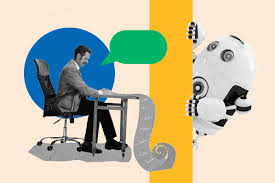
Will AI Take Our Jobs? The Real Challenge is Adapting
AI’s Role Across Industries
AI is already reshaping various industries. From chatbots in customer service to algorithms used in healthcare diagnostics, machines are taking on tasks that once required human involvement.
In the film industry, AI enhances personalized content recommendations, video editing, and content indexing. Multichoice in Kenya is at the forefront, leveraging AI to improve customer experience, optimize operations, and drive business growth.
https://africabusinessnews.co.ke/content-piracy-a-global-initiative-against-a-global-enemy/
In Africa, where AI adoption is growing, there is significant anxiety, especially regarding roles that involve repetitive tasks. Many jobs in manufacturing, retail, and transportation are at risk as machines become more efficient and cost-effective than human labour.
The Shift Toward New Opportunities
The situation, however, is not entirely bleak. History shows that technological advancements do not just eliminate jobs—they also create new ones.
For example, the transition from manual farming in the 19th century led to a rise in urban jobs and new industries. The internet era created professions like app development and digital marketing, which were once unimaginable.
The key challenge is not job loss but redefining work in an AI-driven world. As technology advances, roles requiring creativity, empathy, and complex problem-solving will become more valuable.
AI can process data at incredible speeds, but it cannot replicate human judgment. In healthcare, AI may assist in diagnoses, but it lacks the compassion needed for patient care. Similarly, AI can help with scriptwriting and editing in filmmaking, but it cannot craft compelling, culturally rich narratives.
Education and workforce development must prepare individuals to collaborate with AI rather than compete against it.
Beyond technical skills, soft skills such as communication, leadership, and emotional intelligence will be crucial. As automation takes over routine tasks, human-centered roles will become more important.
A positive aspect of AI’s rise is its potential to improve workplace safety by taking over hazardous jobs. AI can also enhance access to essential services like education, healthcare, and legal advice, making them more accessible to more people.
Rather than fearing job losses, society should embrace AI as a tool to empower workers and improve lives.
The key to the future lies in adapting to change, reimagining work, and ensuring workers are ready for new opportunities. Success will depend on learning to collaborate with machines and embracing the possibilities AI presents.
By Nzola Miranda
Managing Director at Multichoice Kenya
Follow us on https://www.facebook.com/profile.php?id=100063524144470#












Comments