
 By
By Unlocking Efficiency and Ensuring Compliance with eTIMS
Why Migrating from TIMS to eTIMS Is Now a Strategic Business Imperative
The migration from the Tax Invoice Management System (TIMS) to the Electronic Tax Invoice Management System (eTIMS) marks a major shift in how taxpayers manage compliance and efficiency.
Despite this progress, many taxpayers still rely on traditional TIMS devices, which slow operations and fragment invoicing. As compliance demands increase and the transition to eTIMS accelerates, upgrading is no longer optional. It is a strategic step for continuity and compliance.
The digitisation of the Value Added Tax (VAT) regime began in 2004 with the introduction of Electronic Tax Registers (ETRs).
These devices generated real-time transaction records transmitted to the Kenya Revenue Authority (KRA), helping businesses produce VAT-compliant invoices.
Later, the VAT (Electronic Tax Invoice) Regulations, 2020 introduced TIMS, an integrated, hardware-based solution for transmitting invoices to KRA in real time.
Depending on their business model, taxpayers selected devices supplied and maintained by approved third-party providers. These devices improved accountability and reduced revenue leakages by authenticating and transmitting invoices instantly.
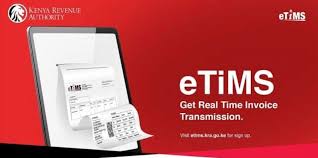
Unlocking Efficiency and Ensuring Compliance with eTIMS
However, purchasing TIMS hardware created a barrier to compliance. Some providers required not only upfront costs but also annual renewal fees. For businesses with multiple branches or high transaction volumes, maintaining these devices became expensive and inefficient.
Integrating TIMS hardware with enterprise systems such as ERPs or POS platforms was also cumbersome and costly. To make matters worse, frequent connectivity challenges caused delayed transmissions and inconsistent reporting.
These inefficiencies exposed businesses to compliance risks. Penalties, income tax disallowances, and audit challenges became common.
KRA’s notice dated 7 November 2025 highlighted this risk, announcing that from 1 January 2026, the Authority would begin validating income and expenses declared in tax returns to ensure full eTIMS compliance.
The introduction of eTIMS represents a major improvement. Unlike TIMS, eTIMS is software-driven and cloud-enabled.
It integrates easily with modern software and allows businesses to generate compliant invoices directly from computers, smartphones, tablets, or ERP systems. Removing the need for physical devices reduces operational disruptions and long-term maintenance costs.
The system also synchronises with KRA in real time, improving accuracy and eliminating transmission delays. Businesses can centralise data from multiple branches and gain better visibility into sales, expenses, and tax positions. eTIMS also enhances record-keeping, giving finance teams a reliable audit trail for compliance reviews.
Successful migration, however, requires expertise. This is where integrators like DigiTax add value. DigiTax provides customised integration that aligns with each client’s systems architecture.
Through tailored API connections, DigiTax ensures seamless interaction between eTIMS, ERP, and POS platforms. It also offers automated reverse invoicing for small suppliers, compliance dashboards, and simplified reporting.
Beyond technical work, DigiTax supports change management and staff training. The firm monitors regulatory updates and KRA system improvements, ensuring clients remain compliant as the tax environment evolves. For businesses seeking to modernise without disrupting operations, DigiTax provides a full end-to-end transformation solution.
The case for early migration is clear. Moving to eTIMS not only satisfies KRA requirements but also improves efficiency. Streamlined invoicing shortens reconciliation cycles and improves cash flow.
Automation reduces errors and audit risks. Transparent compliance also strengthens trust with suppliers, customers, and regulators. Today, proactive compliance is more than a requirement, it is a competitive advantage.
Ultimately, the shift from TIMS to eTIMS is unavoidable. Early adopters gain time to adapt, test their systems, and optimise their processes. With partners like DigiTax, businesses can turn compliance into an opportunity for modernisation, resilience, and growth.















Comments