
 By
By 

Broken, Broke, but Not Beaten: What Starting a Small Business Taught Me
Broken, Broke, but Not Beaten: What Starting a Small Business Taught Me
One morning in 2019, I woke up feeling deeply frustrated lost in thought and burdened by the weight of unmet expectations. It felt like I had failed myself and those who believed in me.
My mind was consumed with dreams: starting a business, buying my dream car, supporting my parents and siblings, and having the freedom to work on my own terms.
Fresh from graduation with a media degree, I decided to launch a business using my modest savings. The plan was simple sell thrift handbags online.
Every morning, I would source a few unique pieces from a vendor and post them on social media. I couldn’t afford a physical shop in Nairobi’s CBD or even regular transport into town so I kept everything digital.
At first, I felt hopeful. But soon, reality set in. Sales were irregular. A few items would sell, but most remained unsold. The pressure built up, and I remember crying out of confusion and despair.
Then COVID-19 hit and everything collapsed. Lockdowns and movement restrictions brought small businesses like mine to a halt.
Customers vanished overnight. My small enterprise crumbled, and I was left trying to survive, living hand to mouth in a city that seemed to grow colder each day.

Broken, Broke, but Not Beaten: What Starting a Small Business Taught Me
What I Wish I Knew Before Starting a Business
Looking back, there’s so much I wish someone had told me about entrepreneurship: not just the dreams, but the discipline and depth of preparation it demands.
1. The Power of Planning Beyond the Idea
A good idea isn’t enough. I wish I had created a proper business plan outlining my goals, understanding my target market, estimating expenses, and setting milestones. Planning turns dreams into strategy.
2. Resilience Is a Skill, Not Just Motivation
Staying positive is only part of resilience. The true test is how you respond when everything falls apart. For me, resilience meant adapting, letting go of what wasn’t working, and constantly rethinking the next move.
3. Cash Flow Is Everything
Profit can be misleading if your business doesn’t have money to operate day-to-day. I didn’t realize how crucial it is to monitor cash flow, prepare for dry spells, and separate personal and business finances.
4. You Wear All the Hats
In the early stages, you’re everything founder, salesperson, customer service, and accountant. It’s exhausting, and I wish I had prepared mentally for the burnout that comes with it.
5. Not Everyone Will Cheer You On
Support won’t always come from where you expect. Some people may not understand your journey. I learned to celebrate my progress, however small, and to believe in myself even when no one else did.
What Banks and Financial Institutions Must Understand About SMEs
Beyond personal lessons, one thing stands out: financial institutions need a better understanding of SMEs the passion we bring, the sacrifices we make, and the critical support we need when things are tough.
1. Flexible Lending Models
Many small businesses are denied loans due to lack of collateral or formal records. Alternative evaluation methods like digital transactions, mobile money history, or community references could open up opportunities.
2. Realistic Repayment Terms
Rigid timelines do more harm than good. Offering repayment structures that match business cycles, including grace periods or seasonal adjustments, would help entrepreneurs stay afloat during lean times.
3. Easier Access to Finance
Applying for loans should not feel like applying for a visa. Simplified, guided processes with clear requirements can empower more small business owners to take the leap confidently.
4. Mentorship, Not Just Money
Capital is important, but so is capacity. Financial literacy, mentorship, and business training should be part of SME support. These can improve survival rates and boost long-term growth.
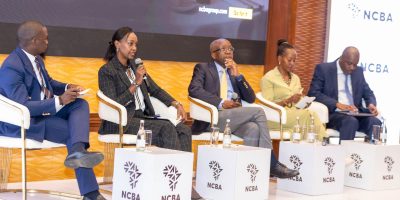
In this regard, institutions like NCBA https://ke.ncbagroup.com/ have taken meaningful steps to bridge the gap through financial literacy programs that target SMEs across Kenya.
Their initiatives help entrepreneurs understand budgeting, business planning, digital banking, and smart borrowing equipping them with the knowledge to make informed decisions.
By investing in education, NCBA isn’t just handing out loans they’re building sustainable businesses and resilient entrepreneurs.
5. Human-Centered Banking
Sometimes, all a struggling entrepreneur needs is empathy. Understanding, listening, and offering solutions rather than penalties can build lasting relationships and customer loyalty.
Final Reflection
If I’ve learned anything, it’s this: dreams need more than passion. They need structure, support, and a financial ecosystem that believes in people not just paperwork.
Behind every small business is a person who dared to believe, someone betting everything on a chance to build a better future.
https://africabusinessnews.co.ke/ncba-now-app-redefining-digital-banking-in-kenya/














Comments