
 By

Kenyan Businesses Go Cashless, but Are They Cyber Ready?
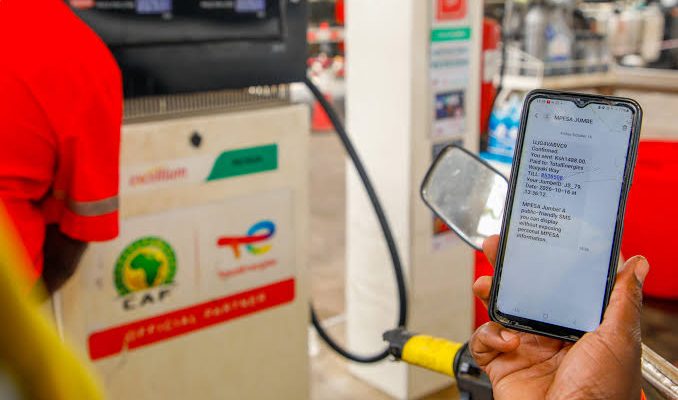
A customer pays for a purchase digitally and leaves the shop. The transaction seems simple, but behind that convenience lies a growing challenge for businesses: keeping payments secure as more customers move away from cash.
Across Kenya, digital payments are changing how merchants serve customers and manage sales. From small retail shops to large enterprises, businesses are embracing cashless options to make transactions easier. Yet, as digital adoption grows, so does the need to protect businesses and customers from fraud.
Cashless Payments Are Changing Business
Safaricom’s M-PESA ecosystem has become part of everyday commerce, enabling businesses to receive digital payments from customers across the country. Solutions such as Lipa na M-PESA give merchants an alternative to handling physical cash, while newer payment options are creating additional ways to complete transactions.
For businesses, these solutions can simplify checkout, reduce cash-handling demands and make transaction records easier to track. Customers also benefit from the convenience of paying without needing physical money.
However, adopting digital payments is only the first step. Businesses must also ensure they can verify transactions and manage their payment accounts securely.
Kenyan Businesses Go Cashless, but Are They Cyber Ready?
Scan-to-Pay Could Make Transactions Simpler
Safaricom’s Scan-to-Pay solution offers merchants another way to accept digital payments. Customers scan a QR code displayed on a compatible payment terminal, review the transaction details and authorize payment.
This approach can make checkout more convenient by reducing the need to enter payment details manually. For merchants serving many customers, a smoother payment process can help reduce delays and improve the customer experience.
Safaricom has reported that Scan-to-Pay was available at more than 60,000 merchant outlets, with plans to expand its reach to 500,000. This reflects the potential for QR-based payments to become more widely used in Kenya’s business environment.
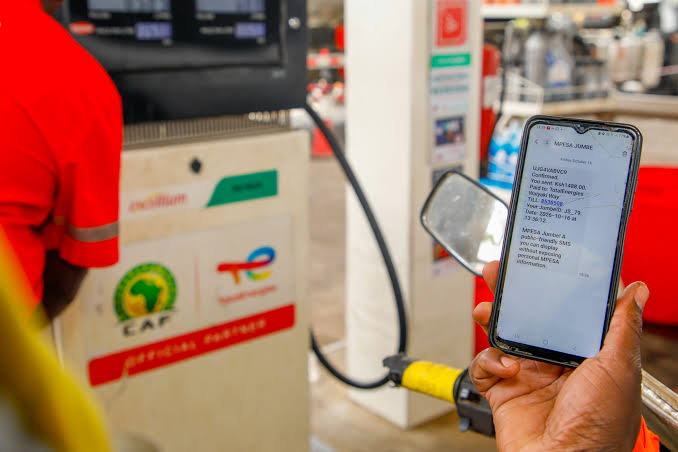
Still, faster transactions must not come at the expense of security. Merchants should confirm payments through their official payment systems rather than relying on screenshots or messages presented by customers. They should also secure their payment devices and restrict access to authorized staff.
The Cybersecurity Risks Merchants Cannot Ignore
A fake payment confirmation, a fraudulent customer-care call or a suspicious link can expose a business to financial loss. Fraudsters may also attempt to trick employees into revealing PINs, passwords or one-time passwords.
These risks are not limited to large companies. Small and medium-sized businesses can be particularly vulnerable when they lack clear security procedures or staff training.
Merchants can take practical steps to protect themselves. They should confirm payments through official channels, secure business accounts and avoid sharing confidential authentication details. Employees also need to recognize suspicious requests and report unusual activity promptly.
Building Trust in Digital Commerce
As Kenya’s cashless economy expands, businesses must treat cybersecurity as part of their daily operations. Convenient payment options matter, but so does the confidence customers have that their money and information are protected.
Safaricom’s role in Kenya’s digital payments ecosystem places merchant adoption within a wider shift towards technology-enabled commerce. However, secure transactions also depend on how businesses manage their accounts, train employees and verify payments.
For Kenyan enterprises, the goal is not simply to accept digital payments. It is to make them convenient, reliable and secure.
Going cashless can improve how a business operates. Being cyber ready helps protect the business behind every transaction.


















Comments