
 By
By 
From Congo to Kakuma: Growing Hope in the Desert
When families fleeing conflict in the Democratic Republic of Congo arrived in Kakuma, they brought more than memories of home; they brought skills, resilience, and a determination to rebuild their lives in a land far from everything familiar.
Among them was Mbula Peggy, who walked into Kakuma Refugee Camp on a quiet Saturday morning, ready to begin again. His resolve reflected both what he had endured and what lay ahead: the urgent need to survive.
“We began with small kitchen gardens,” he says. “Just trying to grow something… anything.”
Gradually, what started as a modest effort to feed themselves grew into something far more significant. The flourishing gardens soon caught the attention of the World Food Programme (WFP) and the Food and Agriculture Organisation (FAO).
Both agencies quickly recognised what the refugees had always known: the potential was already there; it simply needed support.
“They believed in our idea,” Mbula recalls. “We had the knowledge. What we lacked was support.”
Fortunately, the support arrived sooner than expected. A dam was constructed to harvest seasonal water flowing from the hills near the Uganda border, ensuring a stable water supply in a region where every drop counts.
From there, canals were dug to direct water into farming plots, turning previously dry patches into fertile land. Greenhouses soon followed, rising from the desert sands to protect crops from Turkana’s extreme heat and strong winds.
As infrastructure improved, so did the farmers’ capacity. They received drought-resistant seeds, proper tools, and hands-on training, gradually transforming kitchen gardens into a structured, community-driven horticulture project grounded in partnership and shared vision.

From Congo to Kakuma: Growing Hope in the Desert
Bridging Communities and Building Resilience
Beyond boosting food production, the initiative created an important link between two communities, the Congolese refugees working the land and the Turkana hosts who own it. As a result, collaboration grew naturally.
“The Turkana people welcomed us,” Mbula says. “They had the land; we had the skills. We learned from each other.”
Even so, farming in Turkana comes with constant challenges. The scorching temperatures strain the soil and attract pests. “The heat here is different,” Mbula laughs. “You have to work twice as hard to protect your crops.”
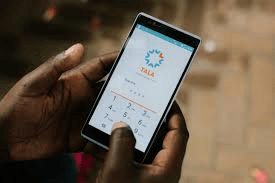
Nevertheless, the farmers continue to push forward. With Safaricom’s support, they can save money, receive payments, and stay in touch with customers. Moreover, digital communication has simplified their work tremendously.
“With the phone, we can call buyers and tell them their orders are ready. It makes everything easier.”
Ultimately, the fields in Kakuma have become more than a source of food. They represent resilience, partnership, and hope, a powerful reminder that even in the harshest environments, life can take root and flourish when communities come together.
Watch the video to learn more about the farming community in Kakuma, growing hope in the desert.
This story was first published by Safaricom.












Comments