
As the automotive showcase returns to Nairobi, prospective buyers can explore vehicles while understanding the responsibilities that come with financing and ownership.
Vehicle repossession has become a prominent topic in Kenya’s banking and automotive conversations. However, it is important to understand that repossession is not a practice unique to one bank. It is a legal remedy available to secured lenders when borrowers fail to meet their loan obligations.
Across the banking industry, financial institutions that finance vehicles operate within Kenya’s legal framework for secured lending. The specific terms of financing agreements may differ, but lenders must follow the applicable legal requirements when enforcing their security rights.
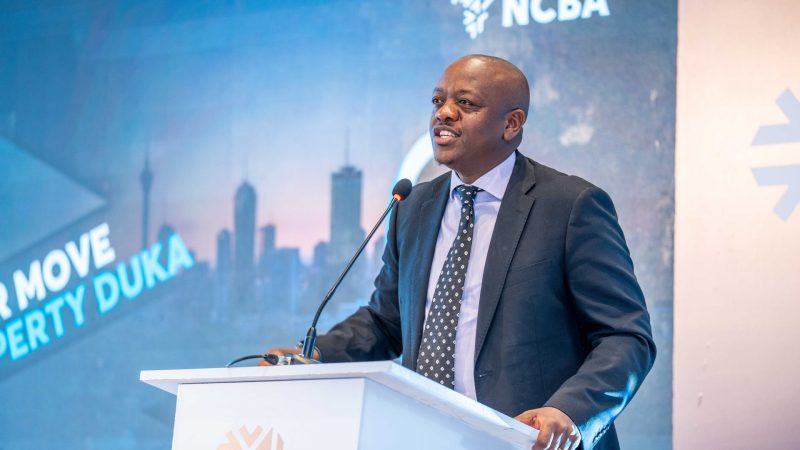
The discussion is particularly relevant as Kenya prepares for the NCBA KMI Motor Show 2026, which returns after a four-year break. The event will take place from 27 to 29 November at Sarit Expo Centre in Nairobi.
For anyone considering vehicle ownership, the show offers an opportunity to look beyond the purchase price. Buyers can also engage industry players on financing options, repayment obligations and the responsibilities that come with owning a financed vehicle.
Why Vehicle Repossession Happens
Vehicle financing allows individuals and businesses to acquire cars, pickups, trucks and other vehicles through structured payments rather than paying the full purchase price upfront.
In many arrangements, the vehicle serves as security for the loan. This means the lender has rights over the asset until the borrower fulfils the agreed repayment obligations.
When a borrower falls into default, the lender may take steps to recover the outstanding amount. Depending on the financing agreement and applicable law, these steps can include repossessing and eventually selling the vehicle.
Repossession is therefore part of the wider secured lending framework. It is not a policy created by one financial institution.
However, repossession should not be confused with an automatic right to take a vehicle at any time. Lenders must observe the law and the terms of the relevant financing agreement.
What Kenyan Law Says About Vehicle Repossession
The Movable Property Security Rights Act, 2017 provides the legal framework for enforcing security rights over movable assets, including vehicles.
Under Section 67, a secured lender must notify the borrower of the default. The notification should explain the nature and extent of the default, the amount due where the default involves non-payment, and the time allowed to rectify it.
If the borrower fails to comply within the specified period, the lender may pursue remedies provided under the law. These include taking possession of or selling the secured asset.
Section 71 addresses possession of the collateral. A secured lender may take possession where the borrower consented to this arrangement in the security agreement. It may also obtain possession where the borrower or another person holding the vehicle does not object at the time.
The law also provides for the borrower’s right to redeem the asset before it is sold or otherwise disposed of, subject to payment of the secured obligation and reasonable enforcement costs.
These provisions show why borrowers should understand the financing agreement before signing it. They should also read notices from their lenders and seek clarification whenever they do not understand the process.
Repossession Is an Industry-Wide Lending Issue
Kenya’s vehicle financing market involves several banks and other financial institutions. These lenders provide credit to individuals, transport operators and businesses that depend on vehicles for their operations.
As with other forms of secured lending, vehicle finance carries repayment obligations. When borrowers fail to meet those obligations, lenders have legal remedies available to them.
The issue therefore extends beyond individual institutions. It reflects the relationship between borrowers, lenders, financing agreements and the legal framework governing secured assets.
At the same time, lenders must exercise their rights responsibly. Proper communication, compliance with notice requirements and fair handling of the enforcement process remain important.
Borrowers also have a responsibility to understand the commitments they take on. Where financial difficulties arise, engaging the lender early may help establish whether a repayment arrangement or restructuring is possible.
What to Expect at the NCBA KMI Motor Show 2026
Beyond the repossession conversation, the upcoming NCBA KMI Motor Show will bring together different players in Kenya’s automotive industry.
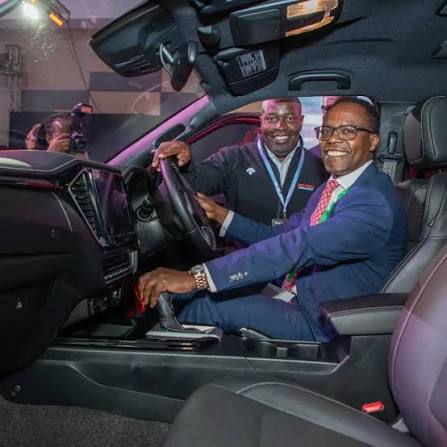
The three-day event will provide a platform for consumers, businesses and motoring enthusiasts to explore vehicles, compare offerings and engage directly with automotive brands and service providers.
Confirmed exhibitors include Mobikey, Isuzu, Tireworld, Tata Africa Holdings Kenya Ltd, Auto Express, Kingsway, ECTA Kenya Limited, CFAO, Simba Corp and Inchcape. More exhibitors and partners are expected to join.
Visitors will also have an opportunity to explore emerging automotive technologies, mobility solutions and services. The programme will include industry conversations and consumer experiences.
NCBA Bank is the title sponsor of this year’s show. The partnership highlights the role of financing in supporting vehicle ownership and the wider mobility ecosystem.
For prospective buyers, the event presents an opportunity to ask questions before making a purchase. These may include the available vehicle options, financing arrangements, repayment terms, insurance requirements and the responsibilities attached to a secured loan.
The NCBA KMI Motor Show 2026 will run from 27 to 29 November at Sarit Expo Centre, Nairobi.