
Kibera’s Mama Mazingira: Turning Waste into Green Spaces
Long before she became known as Mama Mazingira, Malasen Hamida knew a different Kibera. It was a neighbourhood filled with trees, greenery and fruit growing freely. Nature was part of everyday life.
Growing up in Kibera, Malasen remembers a place that was much greener and cleaner than the one she sees today. Over the years, however, things changed. Trees were cut down, waste became a growing problem and the green spaces she once enjoyed slowly disappeared.
Watching this transformation was difficult for her. She had grown up in the community and understood what it had lost. Rather than simply complain about the changes, she decided to do something about them.
Her journey into environmental conservation did not begin there. She was initially involved in human rights activism and community advocacy. However, as she witnessed the growing environmental challenges in her neighbourhood, she found herself drawn to a different cause.
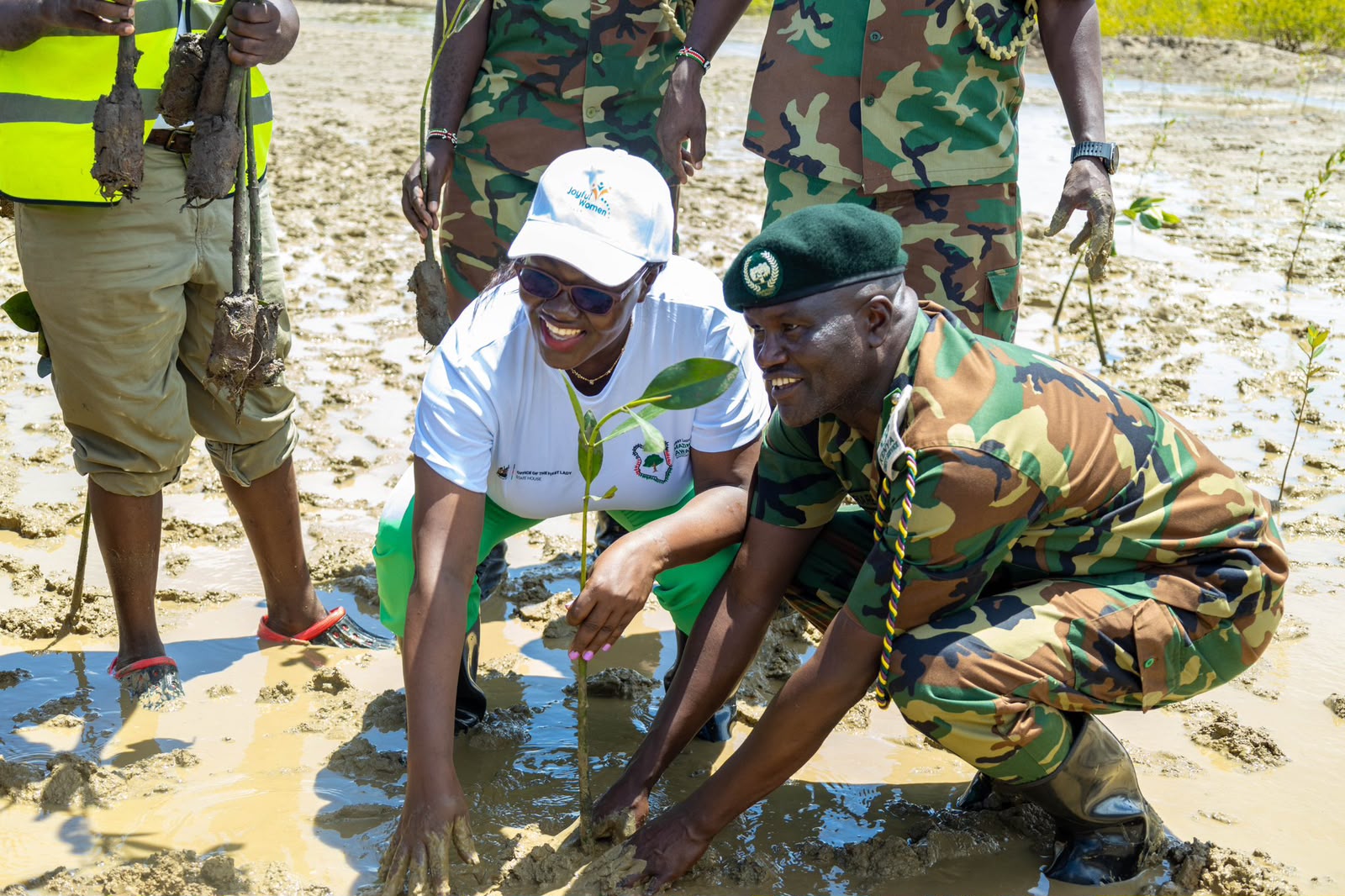
Today, many people know her as Mama Mazingira, a name inspired by her work. Through community clean-ups, recycling, tree planting and urban farming, she is working to restore some of the greenery she remembers. At the same time, she encourages residents to take better care of their surroundings.
Turning Waste into Something Useful
Malasen’s journey into environmental conservation was driven by a desire to restore the Kibera she remembers from childhood.
“Kibera is a Nubian term that means forest,” she explains. “I remember when I was growing up, Kibera was actually green, very clean, and we used to grow all types of foods and fruits here.”
That childhood memory became a source of inspiration. She wanted to see whether some of the greenery could return, even if the neighbourhood could never be exactly as it was before.
When Malasen started the Mazingira initiative in 2018, the focus was on a problem residents could see every day: poor waste management.
The team began organizing community clean-ups, collecting waste and encouraging people to separate materials that could be reused. Soon, she realized that cleaning the environment was not the only opportunity. The team could also turn some of the waste into useful products.
For example, they turned eggshells into organic manure. They also collected avocado seeds during clean-ups and used them to grow seedlings.
“During the sorting and the recycling, we realized we had a lot of seeds, for instance, avocado seeds, we had a lot of eggshells,” she recalls.
The team decided to put these materials to better use. They processed the eggshells into organic manure and replanted the seeds to produce seedlings.
Farming followed naturally. Since the team was producing manure, it needed somewhere to use it. What started as a small activity gradually became another way to promote environmental conservation and food production.
Looking back, Malasen considers solid waste management one of her biggest achievements. However, getting people to understand the importance of the work was not easy. Some residents assumed the people cleaning the neighbourhood worked for the county government. In reality, they were volunteering their time and effort.
Bringing Women and Children into the Picture
Malasen understood that environmental conservation could not succeed if it involved only a handful of people. The community had to be part of the process.
She began involving women in clean-ups, recycling and farming activities. Her thinking was simple: women often interact with household waste, making them important partners in improving how communities manage it.
The initiative later reached school-going children, introducing them to clean-ups, waste separation and tree planting.
For Malasen, involving children was particularly important. She believes environmental education should go beyond what learners read in their textbooks. Children need opportunities to see, touch and experience what they learn.
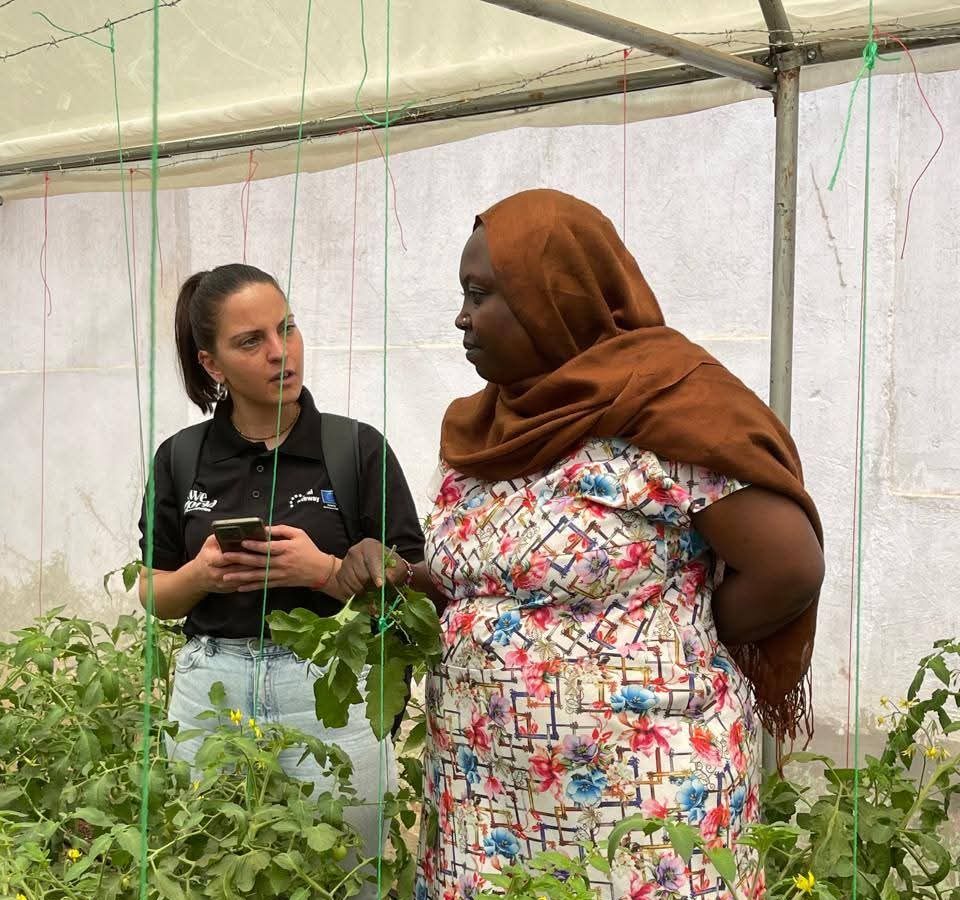
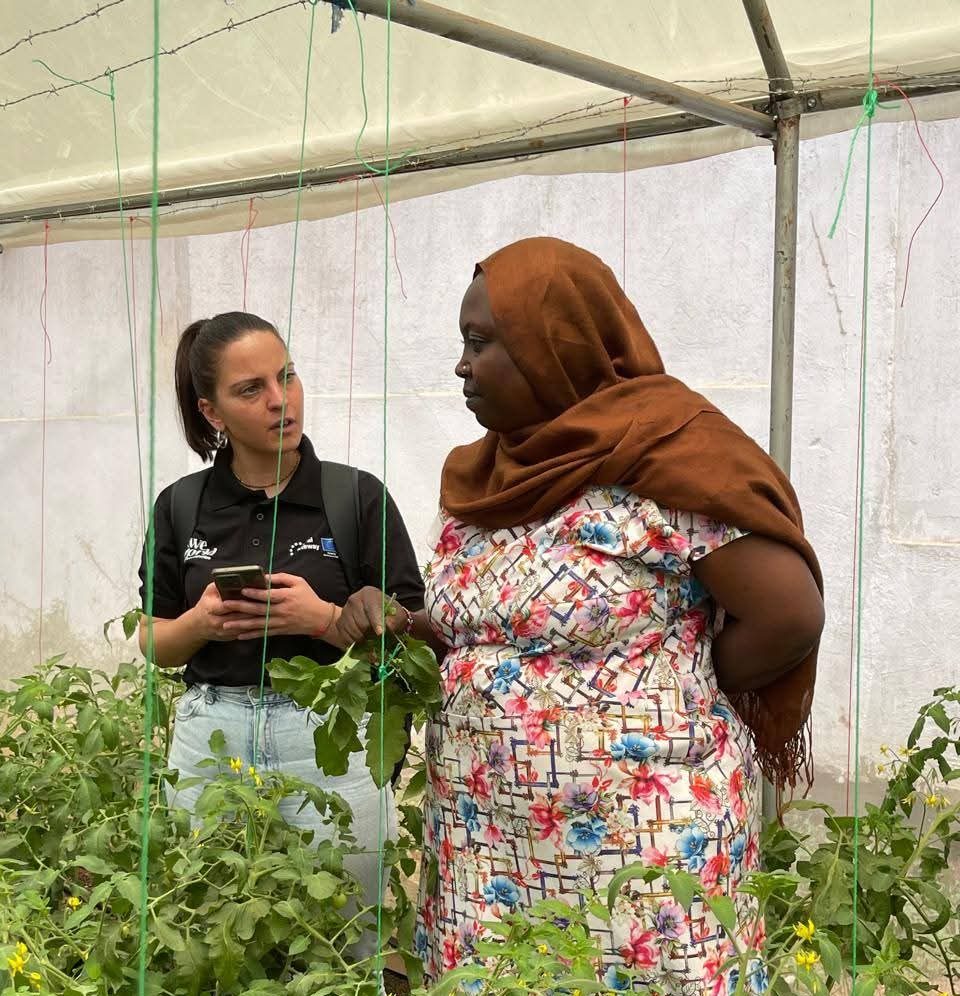
Through school projects, learners have taken part in setting up greenhouses, planting, watering, weeding and harvesting crops. These activities help children understand that food does not simply appear on the table. There is a process behind every harvest, and they get to be part of it.
She also wants young people to see farming differently. At a time when many associate success with white-collar jobs, Hamida believes agriculture deserves more appreciation. It can provide food, create income and even become a business opportunity.
The Struggle Does Not End with Planting a Tree
Despite the progress, Malasen knows that environmental conservation is not always easy.
One of her biggest challenges is getting people to take responsibility for their surroundings. Some residents still believe that cleaning neighbourhoods, collecting waste and caring for trees are duties that belong entirely to the county government.
“The biggest challenge is the behaviour change, the notion that somebody feels like somebody else needs to come and actually conserve the environment,” she says. “Somebody else needs to come to clean the environment, somebody else needs to come to actually grow the tree and nurture the tree until it grows.”
This makes it difficult to sustain projects, especially when the people who introduced them are no longer around.
She believes lasting change requires continuous monitoring, community involvement and support from different stakeholders. Without that commitment, even promising projects can struggle to survive.
Her work in schools has also taught her that planting a tree or crop is only one part of the job. Plants need proper care and attention to grow.
She recalls an experience where crops planted in pumice soil began turning yellow despite regular watering. The problem was not a lack of water but insufficient minerals in the soil.
It was a lesson that environmental conservation requires more than good intentions. It also demands knowledge, patience and consistency. Rather than step away when such challenges arise, Malasen says the experience has made her more involved in the projects.
A Vision That Goes Beyond Kibera
Malasen’s dream is not limited to bringing back the trees she remembers from childhood. She sees environmental conservation as part of a much bigger conversation about food security and the future of urban communities.
She believes cities should not depend entirely on rural areas for food when urban spaces can also support farming.
Through urban agriculture, families can grow nutritious food while creating opportunities to earn an income. She also hopes more schools will adopt practical environmental learning so that children in other communities can enjoy similar experiences.
For a woman who grew up surrounded by greenery, the work is deeply personal. Every clean-up, seedling and school garden is a small step towards restoring something she once knew.
The Kibera she remembers may not return overnight, and the challenges are far from over. But Malasen is not waiting for someone else to make the first move.
She has chosen to start with what is within her reach: one community, one school and one seedling at a time.
And perhaps, in the process, she is helping a new generation discover the greener Kibera she remembers so well.
By Mary Wavinya and Fanne Nyamwamu